How AI in Interior Design is Revolutionizing Home Planning and Visualisation in 2026
The field of home renovation has seen a major transformation. The incorporation of AI in the design of interiors is not a new concept but is a common feature for high-end residential design. In 2026, the process of designing the perfect home has gone beyond the simple sketches and mood boards. Nowadays the application in the use of AI for interior designs lets homeowners experience the space before construction even begins. This helps reduce the expense of uncertainty and creates an efficient timeframe for the project. This article explores the ways in which AI in interior design is transforming the field and is an indispensable tool for modern-day property development.
The shift from traditional Drafting towards AI for Interior Design
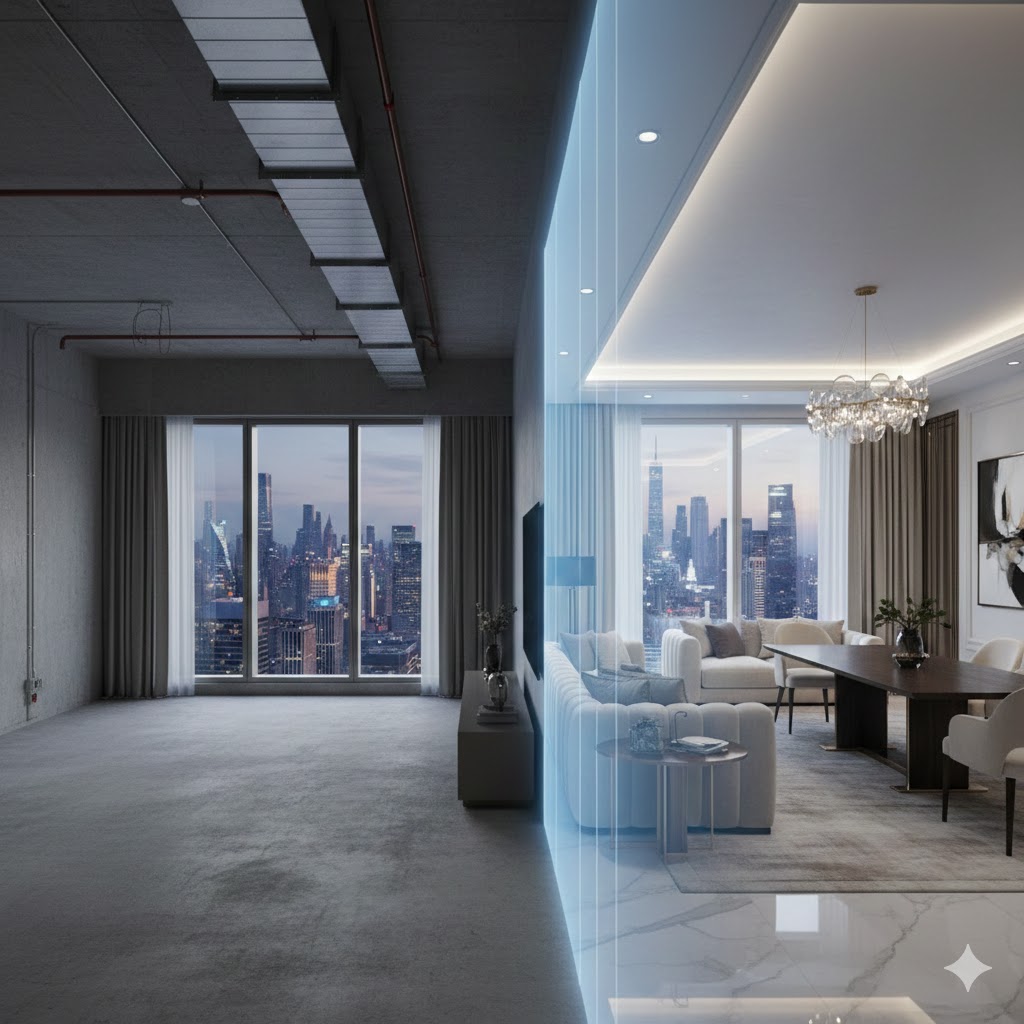
For a long time the typical method of home planning consisted of lengthy drawing by hand. The process of creating static 2D drawings took a lot of time and creating 3D versions required specialized abilities and extra costs. In 2026 the usage of technology such as AI for interior designs has brought these processes into one fluid process.
When it comes to the design of interiors using AI in interior design, the main focus is on the capability to gather real-world information and produce high-fidelity environments immediately. This speed can save time and money. Instead of enduring weeks to receive updates, homeowners are able to view their floor plans in real-time. It is possible to move walls, ceilings heights adjusted and window positions adjusted and the implications for logistical planning are calculated in tandem using the computer software.
2026 should be the year of Interior Design by AI
Technology has advanced to the level where software is able to mimic the human imagination. The images that were created by computers previously looked sterile or unreal. But, the present application for AI to design interiors is based on subtle aspects such as the way light diffuses through certain fabrics, or how shadows are reflected over surfaces that are textured.
The importance of precision in space Planning
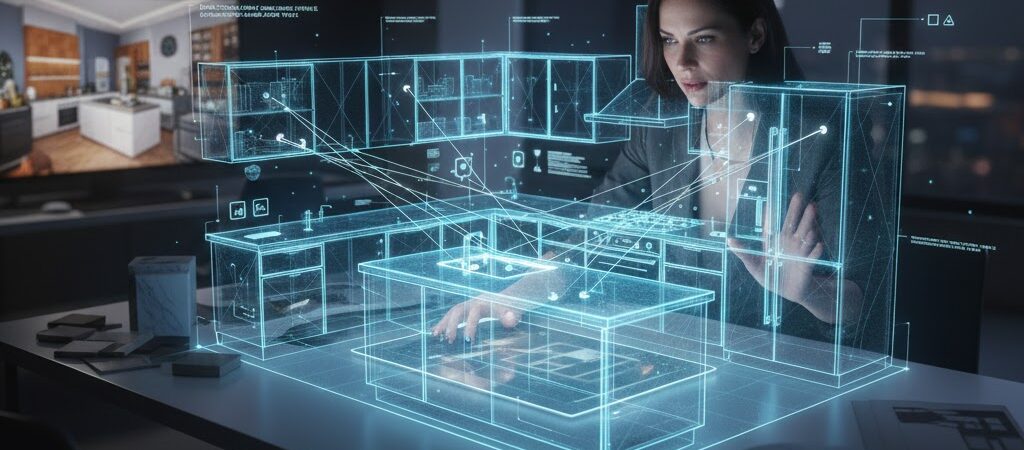
One of the most important applications for AI in interior designing is managing intricate ergonomics. Algorithms are now able to calculate the ideal space for islands in kitchens, or the optimal space between pieces of furniture, based on the particular dimensions of a room. AI for interior designs examines traffic flow and the physical dimensions of the people living there to suggest designs that are attractive and practical.
The Material Intelligence of Texture and the Realism in Materials
The selection of materials used to require managing a huge collection that included physical sample. While tactile samples are still essential to make final decisions, interior design by AI allows the materials to be examined in large the scale. One could apply a rare marble texture to a massive kitchen backsplash and view exactly how the veining lines up over the entire surface. This application for AI for interior designs guarantees that the chosen material is perfectly matched to the precise proportions of the house before any orders are made.

The Homeowner’s Pain Points can be addressed with AI within Interior Design
The most significant obstacle in every renovation is the fear of making a mistake. A house is an important expense and AI in interior design is a visual security measure for these aesthetic choices.
Eliminating Buyer Remorse
It is not uncommon to see furniture to appear different in the showroom than at home. With AI-based interior design it is possible to determine the exact lighting temperature of a particular home can be captured by the software. This lets homeowners observe how a fabric appears in daylight and in the evening with artificial light. This degree of precision for interior design using AI will prevent the blunders that can occur while trying to visualize the effects of color without the aid of a technician.
Management of Budgets through Real Time Data
A design can only be successful when it is executed within a certain budget. The implementation in the field of AI for interior designs has now connected directly to supply chain databases across the world. When a fixture is inserted within a virtual room the software will pull up the most current prices as well as availability along with lead times. If an item is priced higher than your budget artificial intelligence for design will suggest alternatives that will maintain the same style while meeting the budgetary needs.
The Synergy between Human Expertise and AI-powered Interior Design created by AI
The most common misconception is that the application of AI within interior design eliminates the need for human designers. However, in reality, AI is a powerful copilot. While the machine offers data and options, a human expert is responsible for processing and emotional insight.
Artificial Intelligence in Interior Design is not able to replicate the emotional value of an antique or the particular ways a family wants to use a quiet room. The design role has changed to one of curators who use AI to design interiors to sort through the thousands of options to identify the ones that fit the lifestyle of the client.
- Inspired Curated: The technology pushes the limits of possibilities by proposing unusual combinations.
- Technical Oversight: Software ensures that what’s produced is sound structurally and conforms to construction codes.
- Effective Communication: Visual tools can bridge the gap between client’s thoughts and final documents for construction.
Sustainability and ethical choices through AI for Interior Design
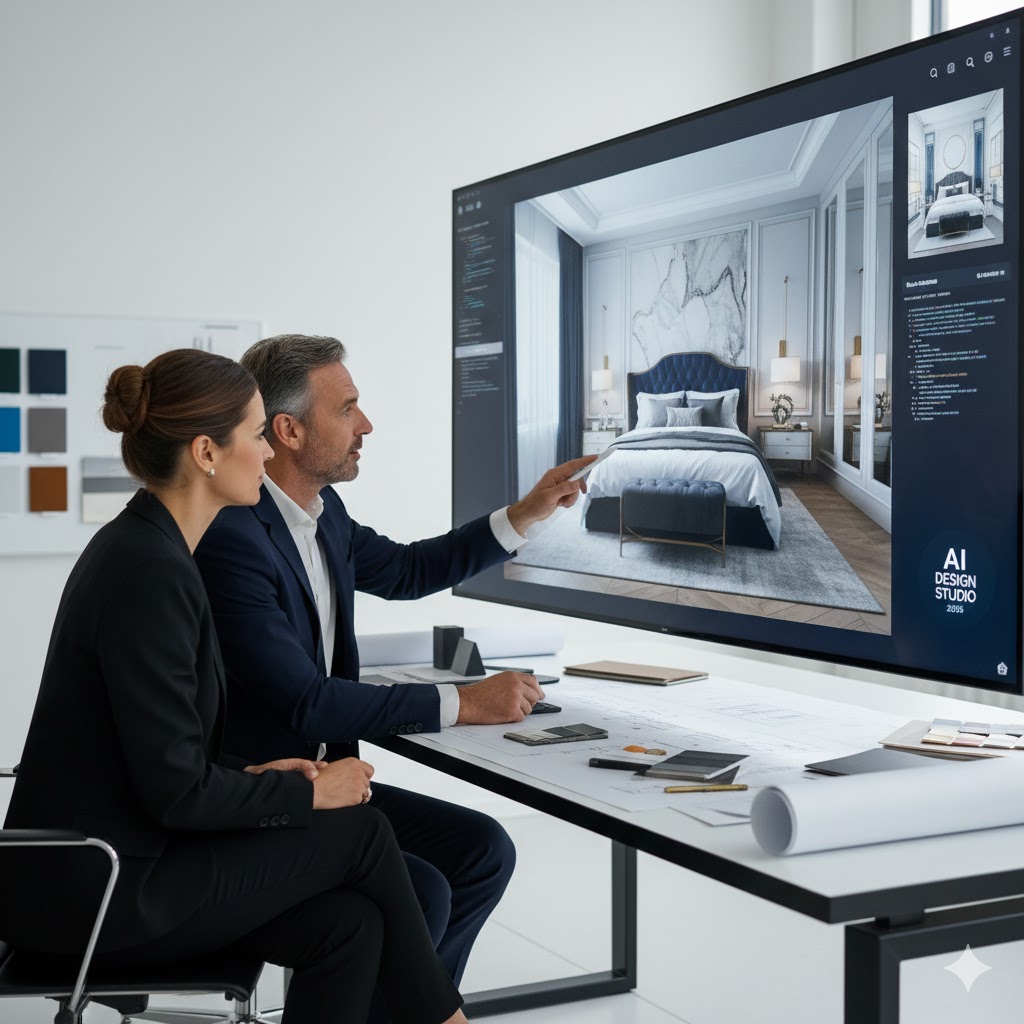
Modern homeowners are becoming more conscious of the environmental impact. The utilization of AI in the design of interiors is a popular tool to design eco-friendly homes. The environmental modeling provides an estimate of the amount of heat that a building is able to absorb through the windows, which allows for better windows or glass coatings that can reduce the energy use.
In addition, interior design by AI assists in sourcing sustainable materials. The software can help prioritize products that have low emissions of chemicals or that are made from recycled materials. Utilizing Artificial Intelligence in Interior Design to create layouts with greater efficiency and efficiently, the quantity of construction waste drastically reduced in the construction phase.
How the Utilization of AI in Interior Design Works
The technology is a mix of neural networks as well as massive design databases. Artificial Intelligence for Interior Design is a result of hundreds of years of design history and architectural style. If the measurements of a space are input into the AI software, AI software for interior design developed by AI software evaluates the room against thousands of globally successful designs.
It takes into account:
- Golden Ratio Proportions: ensuring that the size of furniture is perfectly matched to the architectural design with the help of tools like Planner 5D.
- Theoretical Color using artificial intelligence in the design of interiors to create a balance of tones in accordance with the natural light that fills the space.
- Acoustics: Predictive models are able to determine if a space will have too much echo, based on the chosen hard surface.
Future-proofing Your Home by implementing AI in Interior Design
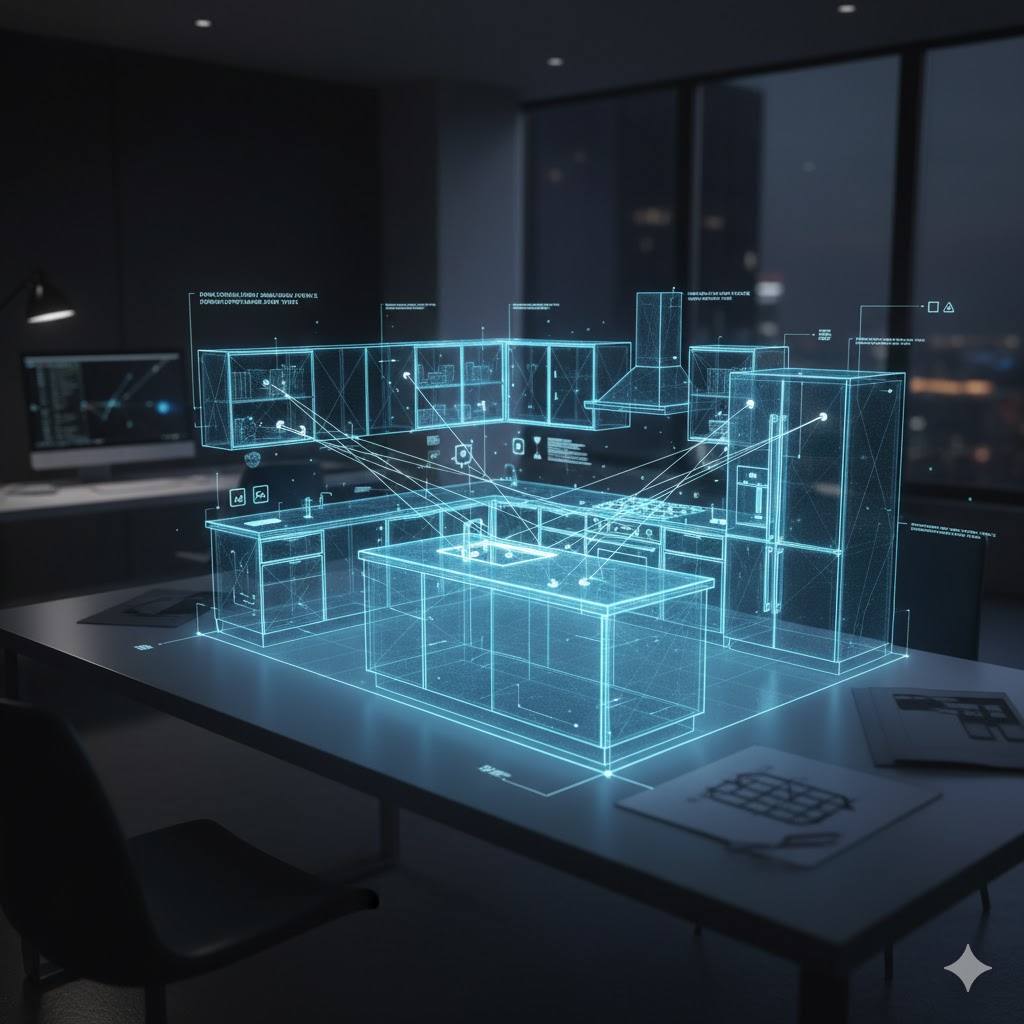
Design isn’t exclusive to the present. In 2026, Interior designers are using AI for homes to be interactive with the people who live there. The application in the use of AI to design interiors involves planning intelligent systems that are inaccessible to the naked human eye. We make use of AI in the interior of our homes to determine the most suitable spots for sensors, and to conceal technology, so that it will not impede the style of the room.
Interior design with AI is also designing for the long-term. The software is able to simulate how a room will have to be adapted when a family expands or residents get older. This method of thinking ahead is possible because AI used in interior design is able to process various life stages and factors simultaneously.
An Orientation Guide to Begin Your Project with AI
If you are thinking about a remodel Here’s how it usually goes using these tools of the present:
- The Discovery Phase: Software examines images of inspiration to identify common stylistic elements that may be difficult to describe.
- The Virtual Walkthrough: Using high-resolution displays and headsets homeowners are able to explore a virtual version of the home. This is the place where the interior design of AI gives the best clarity.
- The final specification When the design is completed, the implementation of AI to design interiors creates precise documents for contractors, which include paint codes as well as precise materials placement.
Inclusion of AI in Interior design: The New Standard of Living
The use of AI into interior design sets a new standard of quality and accuracy. This technology eliminates the doubt from the process of designing and replaces it with data-driven clarity. Through the use of AI-based interior design homeowners can be sure that their home is designed as well as sustainable and suitable to their requirements.
The year 2026 is when the design of interiors by AI will allow an amount of individualization before unattainable. Homes are now designed to be customized environments that help the emotional and physical wellbeing of the residents. As the market grows and evolve, the application to use AI to design interiors is still the most efficient method to transform a complicated concept into a reality.
Frequently Asked Questions about AI in Interior Design
Does the use of AI to design interiors make it more costly?
In the majority of instances, it can save costs. Although there is a price for professional software but the application for AI within interior design decreases the amount of hours spent manually. This also reduces the costs of changing the design of a building after it has begun. There are many tools that can help you to create designs like Home styler, Conbun, Home AI, Planner 5D etc.
How accurate is the interior design of AI in terms of color?
The accuracy of color is extremely high. Modern AI models know how different lighting bulbs and natural light direction affect the color of paint. When a shade is viewed within an AI to create an Interior style render, it’s identical to a physical sample for physical approval before it is finalized.
Does AI within interior design assist in the case of small spaces?
Small spaces greatly benefit from this kind of technology. The software is adept in identifying hidden storage options and suggests multi-functional furniture layouts. The application to use AI for interior designs makes sure each square centimeter of space is used to the fullest extent.
Are homeowner’s data secure using interior design AI?
Professional firms employ encrypted, private version of the tools. Floor plans and personal preferences are maintained within the system in order to guarantee security.
Can modifications be made after the AI has created the design?
Yes, flexibility is among the primary benefits. The utilization in AI within interior design allows for easy adjustments. Moving furniture or materials is a matter of seconds which gives complete assurance in the final selection.

Joby Joseph, a renowned luxury interior designer based in Bangalore, India, is the founder of Joby Joseph Interiors with over 24 years of experience in crafting homes that blend beauty, comfort, and cultural depth. His expertise spans luxury hotels, multinational offices, private homes, and celebrity residences, with specialties in luxury home interiors, culturally inspired designs, end-to-end renovations, and handcrafted teakwood furniture. Joby’s design philosophy goes beyond aesthetics, focusing on emotional well-being, thoughtful planning, and a holistic approach that enhances everyday life. Clients admire his passion, creativity, attention to detail, and ability to merge traditional and contemporary elements with precision. Widely regarded as one of Bangalore’s top interior designers, Joby believes true luxury lies not just in visual appeal but in creating meaningful, functional spaces that reflect individual stories and aspirations.

Are We the Right Fit for YourVedic-Inspired Dream Home?