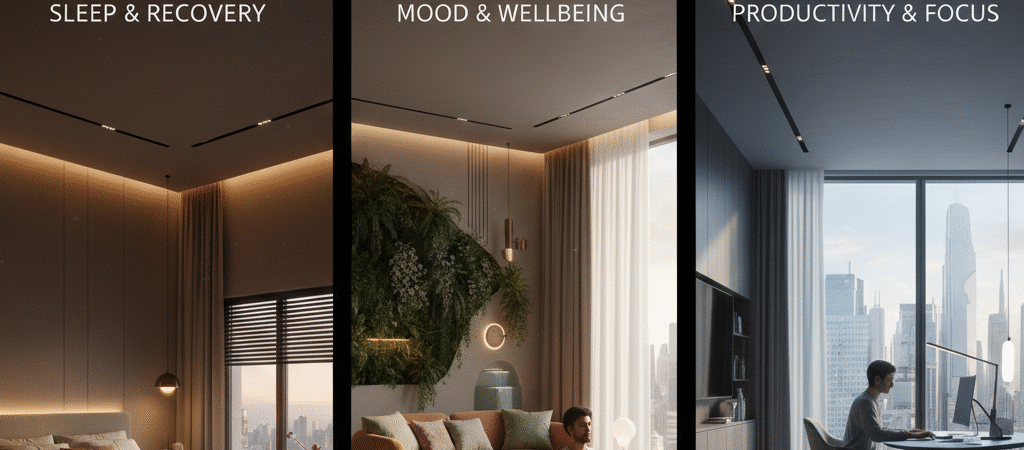
The Psychology of Interior Design in 2026: How Your Home Environment Shapes Your Mood, Sleep, and Productivity
In 2026 the concept of home has shifted from an actual dwelling to an emotional and biological infrastructure. The spaces we live in do not just house their daily routines but they are actively shaping their brain’s responses to stress, hormone balances and psychological resilience. Modern design of interiors is not simply an exercise in aesthetics, and is a specific implementation that is based on Neuro-architecture, the study of how the built environment influences the brain.
Understanding the scientific rationale that drive design choices can lead to the design of spaces that serve as a silent companion in the daily routine of well-being. From the color of light in a bedroom, to the curve of a sofa every part of the design sends an individual message to our nervous system. Implementing the psychology of interior design in 2026 principles will ensure that the home is supportive of the physical and mental well-being.
From Neuroscience to Habitat: Exploring the Pillars of Modern Design Psychology
1. Chromatic Neurology: The Science of Color
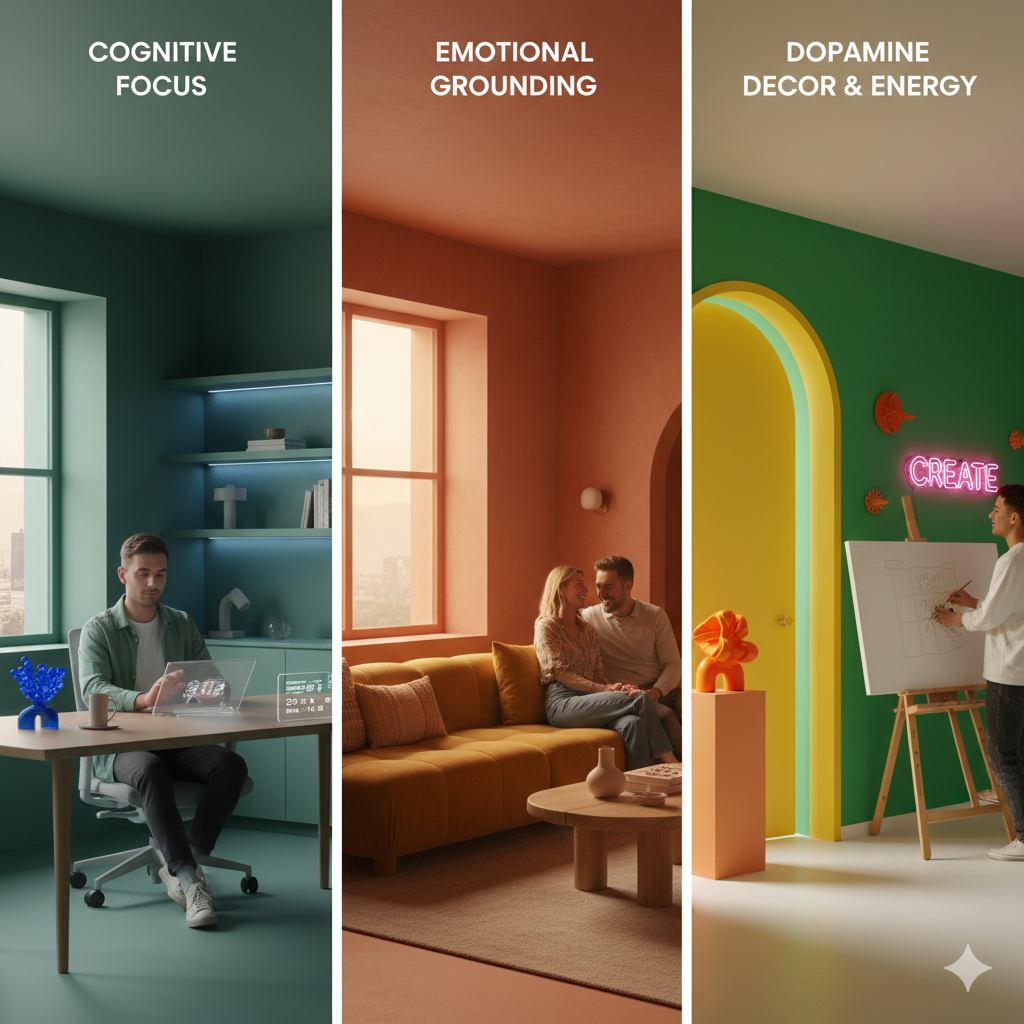
The color psychology in interior design of 2026 is based on the science of light wavelengths as well as their interactions with the human body’s endocrine system. The choices made in the field of color psychology are now designed with the aim of regulating certain neurotransmitters in order to create a specific psychological effect.
Cool Tones for Cognitive Focus
Short-wavelength colors such as tranquil blue and sage green are scientifically proven to lowering heart rate as well as blood pressure. The research conducted in 2026 has proven the fact that blue-colored light stimulating brain’s visual cortex in such a manner that improves clarity of thought by reducing cognitive “noise,” making it an important tool for intensive work and focus.
Warm Tones for Emotional Grounding
In a move away from the dull grays of the previous decade, 2026 is embracing earthy hues. Terracotta, clay, as well as deep ochre are akin to the natural world, and trigger an instinctive sense of security and belonging. These tones are employed in areas of social interaction to promote conversation and warmth through stimulating the release of the hormone oxytocin.
Dopamine Decor and Energy
While neutrals can provide a base of peace, “dopamine decor”, that utilizes bright, high-saturation hues such as orange or sunshine yellow and sunshine yellow is employed in small doses to induce dopamine release. These colors are perfect for entryways or studios for creative work where an increase in enthusiasm and motivation is required.
2. Circadian Lighting: Syncing with Biological Rhythms
One of the biggest changes in the field of interior design psychology in 2026 is the integration of circadian light systems. Human biology is controlled by an internal clock that runs 24 hours a day which is the circadian rhythm. It responds to the intensity and color temperature of light and has a psychological effect.
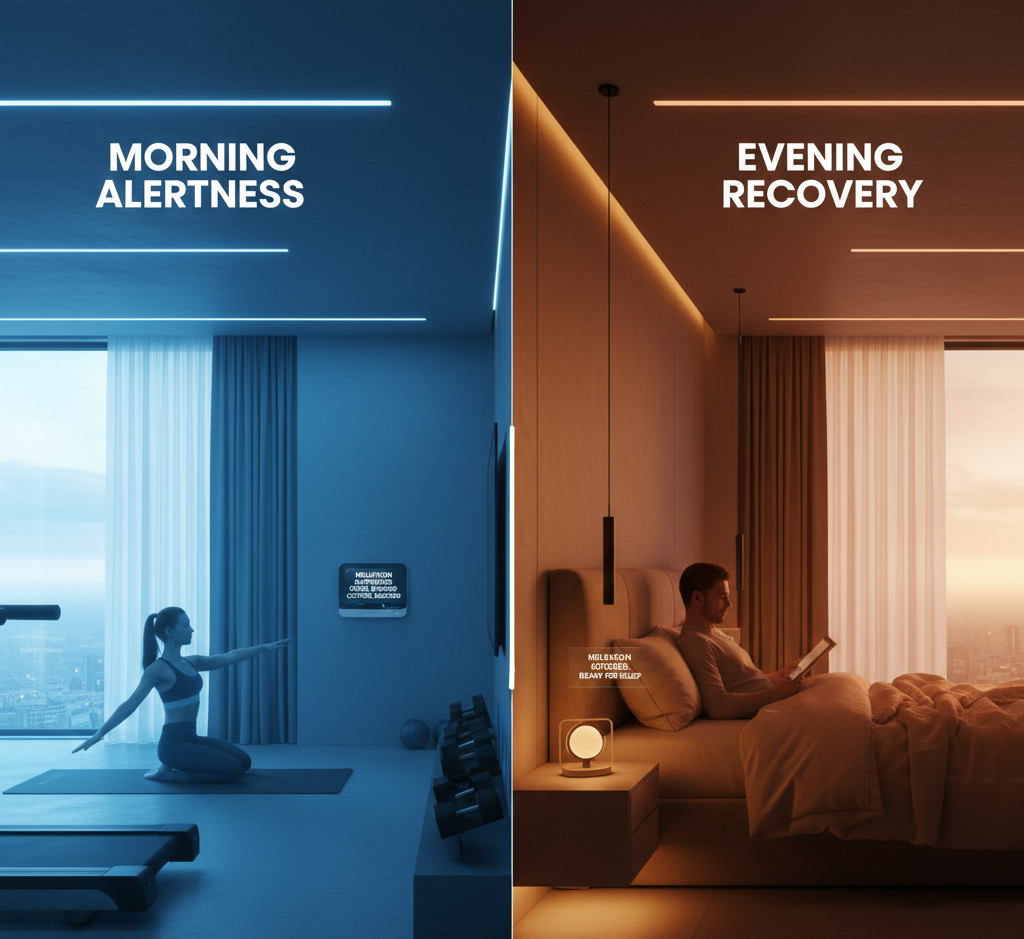
Optimizing Morning Alertness
Research suggests exposure to blue-rich high-intensity sunlight in the morning reduces melatonin levels and increases cortisol which is the hormone that is responsible for alertness. Modern homes are now equipped with smart glazing and adjustable LEDs that flood spaces in the morning with “cool” light (around 5500-6500K) to boost the metabolism of the day.
Facilitating Evening Recovery
As the sun sets the nervous system needs high-intensity, warm light (below 2700K) to stimulate the pineal gland that it is time to begin the production of melatonin. 2026 plans focus on “invisible” natural lighting with warm glowing from coves hidden in the dark or floor lamps that mimic the sun’s setting and increase sleep quality.
3. The Neuro-Aesthetics of Shape: Curves vs. Angles
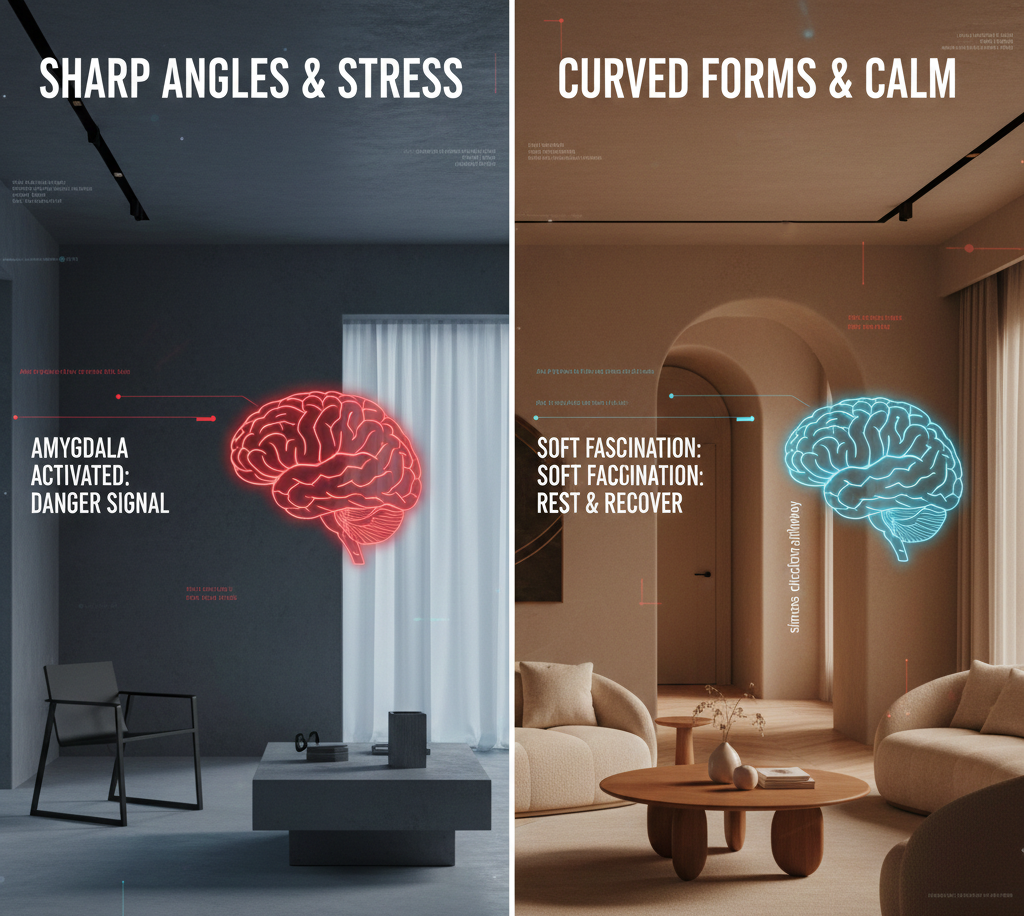
The human brain is evolvedly programmed to see sharp 90-degree angles as threats. Functional Magnetic Resonance Imaging (FMRI) studies reveal that looking at sharp lines stimulates an area known as the amygdala which is he center of fear in our brains. Biomorphic are forms that resemble nature and signal the continuity and safety and hence have a deep psychological impact.
The Power of the Curve
2026’s interiors have witnessed an increase in arched doors and rounded kitchen islands along with “fat furniture” (plush, oversized seating with soft edges). These designs minimize visual friction and permit the brain to be in the state of “soft attraction,” where it can relax and recuperate from fatigue and cognitive decline.
Spatial Flow and Movement Mapping
Modern layouts emphasize “sinuous circulation pathways. ” By removing bottlenecks and sharp corners in areas of high traffic designers can reduce the small stresses that come in navigating a congested or rigid space. This is the foundation of a successful Interior design and psychology in 2026.
4. Biophilic Design: Integrated Living Systems
In 2026 the biophilic design concept has evolved beyond the simple placement of potted plants around a room. It’s now regarded as the practice of environmental medicine with quantifiable physiological results which is being adopted by the interior designers.
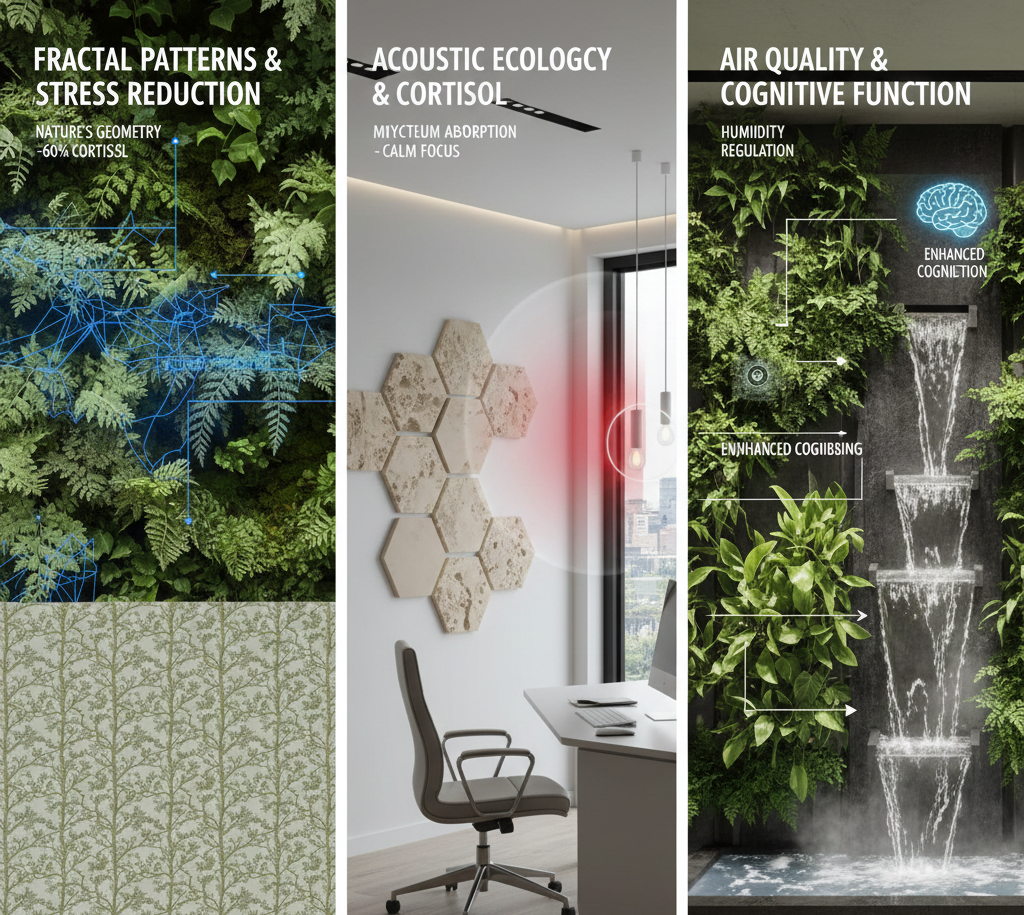
Fractal Patterns and Stress Reduction
There are a myriad of natural fractals that repeat patterns of various sizes. Research has shown that looking at these patterns can lower stress levels by as much as 60 percent. Integrating these patterns into textiles or wall coverings can provide a continuous and subtle source of relief from stress for the subconscious mind and results in a positive psychological effect on our mind.
Acoustic Ecology and Cortisol
Noise is a significant psychological pollutant. 2026 designs make use of mycelium-based acoustic panels and natural fibers such as cork and wool to block high-frequency sounds and mid-range ones. Eliminating echoes does more than improve concentration in offices at home, but also reduces cortisol levels within the household.
Air Quality and Cognitive Function
The combination of living walls and indoor water features do more than simply provide visual appeal. They serve in a natural way to stabilize humidity as well as air scrubbers to ensure that the air helps cognitive function, rather than hindering it due to the buildup in carbon dioxide.
5. Cognitive Ergonomics: Designing for Productivity
The home office in 2026 is no longer a solitary room with a desk, it’s a meticulously engineered space that is designed to facilitate the most intense work and flow of ideas.
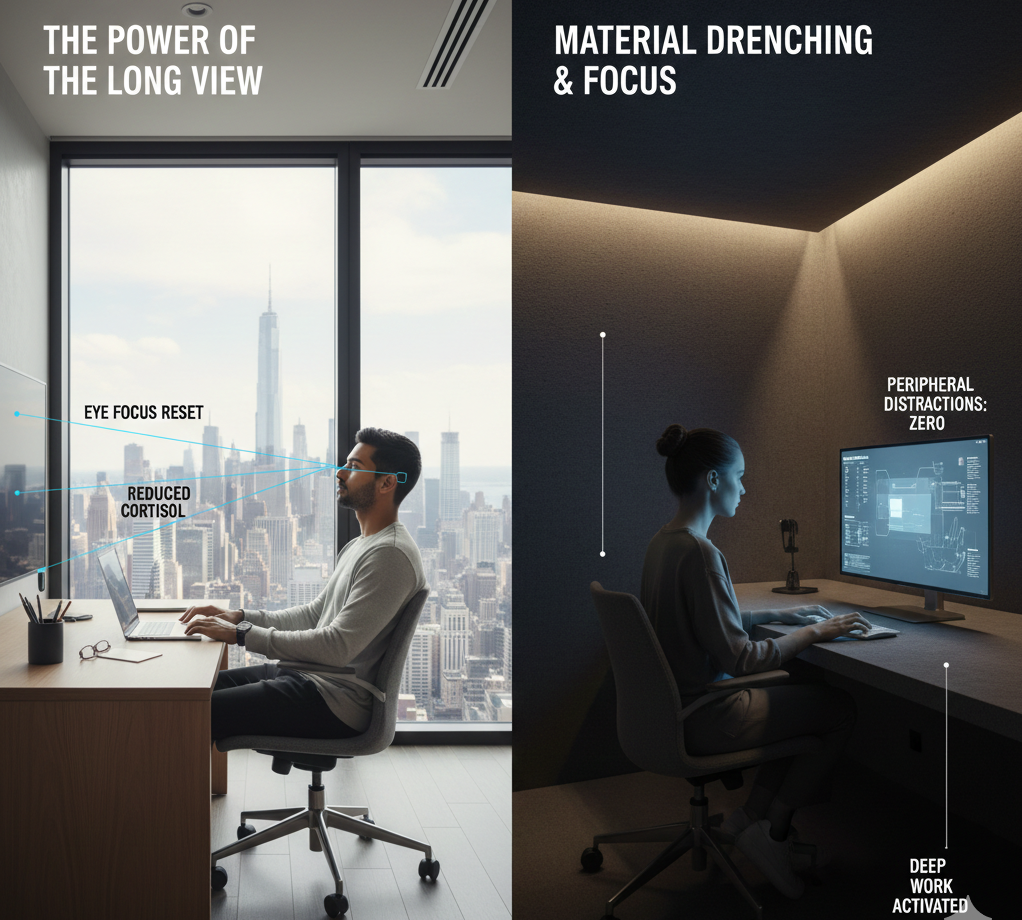
The Power of the Long View
A desk that is placed close to a window gives an access point to “the wide view. ” This allows your eyes to regularly change their focus, decreasing stress on the eyes as well as mental exhaustion. In a physiological sense, this helps prevent “tunnel vision” an affliction that is often linked with anxiety and stress.
Material Drenching for Concentration
The most significant psychology based interior design trend of 2026 is the use of one texture or color on ceilings and walls. The “cocoon result” minimizes peripheral distractions and allows the brain to focus the full power of processing in the work at hand, without being distracted by visual distractions.
6. Spatial Sequencing: The Emotional Journey
The way a person moves around their home determines their psychological condition. In 2026, interior designers will concentrate on spatial sequence,the deliberate arrangement of rooms to facilitate the transition from the stressful outside to the tranquil interior.
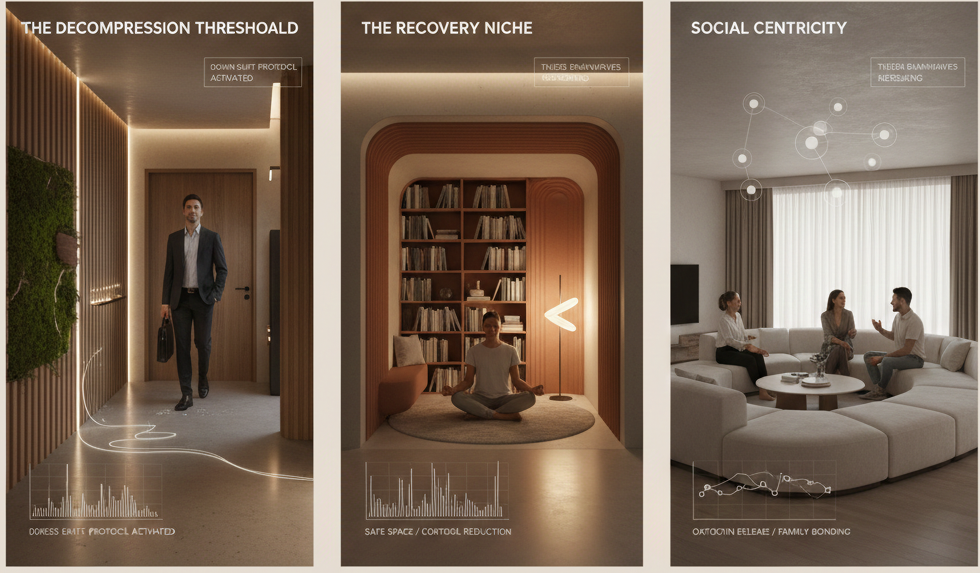
The Decompression Threshold
The entranceways are designed as areas of transition, with natural lighting and soft lighting to inform the brain it is now ready in “downshift” from the demands of social and professional demands.
The Recovery Niche
Small, specialized spaces typically with lower ceilings and soft textures are designed specifically to help you relax, meditate, or reading. They provide the feeling of a “safe space” within the home to help you recover your personal health.
Social Centricity
Living rooms are designed around interaction with people instead of a screen with circular seating arrangements that increase social contact and eye contact that triggers releases of the hormone oxytocin. It also increases the strength of family bonds.
The Biological Blueprint: Integrating Science into Daily Living
The advancement of the psychology of interior design 2026 has demonstrated that a house isn’t simply a piece of furniture as it is a highly sophisticated interface for the health of humans. By gaining a better understanding of the processes behind color wavelengths, neural-aesthetics, and circadian rhythms people can end up living in areas that require adapting, and instead live in environments that provide support.
Making a home an environment that is conducive to psychological wellbeing is not always the complete overhaul. It starts with a keen awareness of how your surroundings affect the nervous system. Whether it is swapping a harsh blue-toned bulb for a warm amber light in the evening or introducing fractal patterns through natural wood textures, these small, scientifically-backed shifts accumulate into a significant improvement in overall quality of life.
In the end, the aim in modern architecture is to bring about an environment of harmony, a harmonious relationship between the inner bodily needs for the human body and its external physical surroundings. If a house is created to be a brain-friendly environment it stops being an object of sensory friction and can be a powerful instrument for emotional recovery and optimum cognitive performance.
Frequently Asked Questions
What are the effects of interior design on sleep quality?
Interior design influences sleep by influencing light and color. Utilizing a circadian light that changes into warm, amber tones in the evening can help the body to produce melatonin naturally. Furthermore, reducing the amount of the amount of visual clutter in your bedroom can prevent the brain from being engaged in “work state.”
Does a particular wall color actually increase my performance?
Yes. Studies suggest that cool colors such as green and blue can lower heart rate and enhance focus by decreasing mental “noise.” But, small amounts of warm hues like yellow can boost imagination and spark fresh concepts.
What makes curved furniture so sought-after in 2026?
From a neuro-aesthetic standpoint the brain connects sharp edges with danger and curves with security. Studies using FMRI show that furniture that is rounded creates an inviting space that helps reduce levels of anxiety and amygdala activity.
What is the psychological effect of clutter?
Clutter causes “visual noise” which is competing for your brain’s attention. The constant stimulation can result in stress in the brain, increased cortisol production, as well as a less ability to concentrate on the more difficult tasks.

Joby Joseph, a renowned luxury interior designer based in Bangalore, India, is the founder of Joby Joseph Interiors with over 24 years of experience in crafting homes that blend beauty, comfort, and cultural depth. His expertise spans luxury hotels, multinational offices, private homes, and celebrity residences, with specialties in luxury home interiors, culturally inspired designs, end-to-end renovations, and handcrafted teakwood furniture. Joby’s design philosophy goes beyond aesthetics, focusing on emotional well-being, thoughtful planning, and a holistic approach that enhances everyday life. Clients admire his passion, creativity, attention to detail, and ability to merge traditional and contemporary elements with precision. Widely regarded as one of Bangalore’s top interior designers, Joby believes true luxury lies not just in visual appeal but in creating meaningful, functional spaces that reflect individual stories and aspirations.

Are We the Right Fit for YourVedic-Inspired Dream Home?