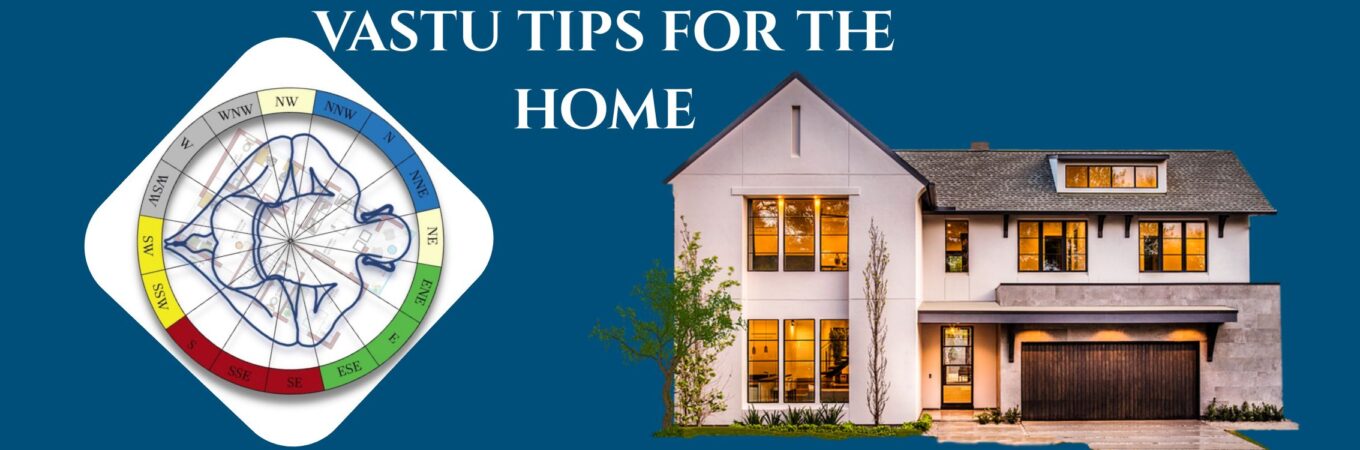
10 Vastu Tips for Homes: Simple Direction Guide for Peaceful & Positive Living
Why Your Home Energy Affects Everything in Your Life
In Vastu Shastra it is said that direction is the basis of energy flow in the house. Every corner, every room and every location is influenced by forces of nature that impact peace, health and stability. When rooms are aligned with the proper direction and the house is in a state of balance and at ease. If they’re not, many people feel agitated or unbalanced but do not understand why.
Vastu tips for homes concentrate on simple corrections based on direction that anyone can implement. It is not necessary to rebuild your home. All you need is to understand the direction that supports what action and the reason behind it.
This guide of vastu tips for home will explain every major aspect of a house simply and practically, with Vastu tips for the home.
Understanding the Logic of Directions in Vastu Shastra
Vastu Shastra is built on the balance of five components:
Earth, Water, Fire, Air, and Space
Every direction is linked to the specific energy that is associated with these elements. If a room is located in its natural direction, then it helps to fulfill the goal of the space. For instance, fire-related cooking activities are aligned with fire dominance.
The purpose of Vastu principle is very simple. Set the proper function in the proper direction to ensure equilibrium.
How to Check the Directions of Your Home
Before you can apply any vastu techniques, it is essential be aware of the exact location of your house.
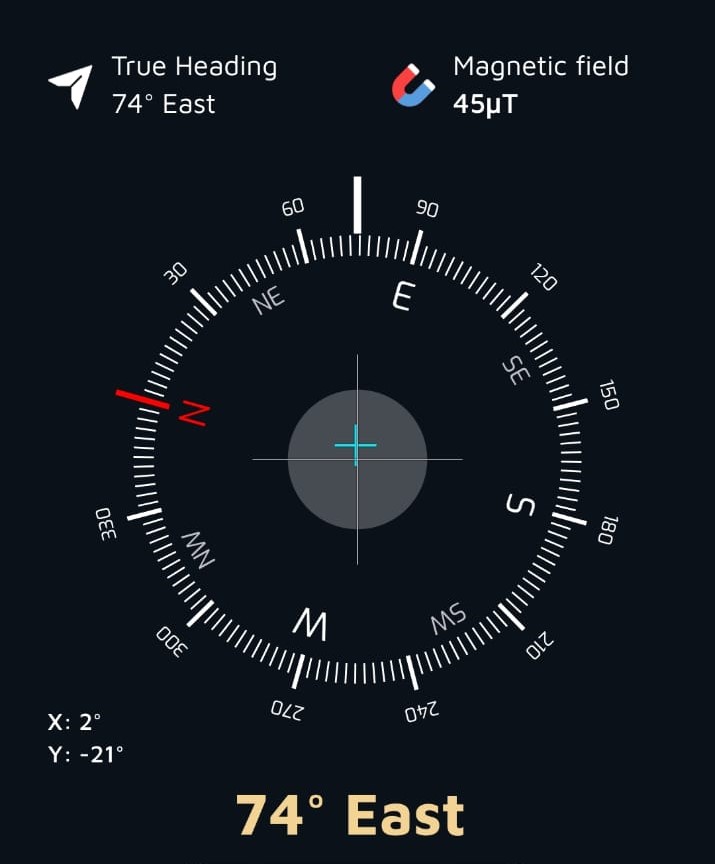
- Install a reputable compass app for your smartphone
- Make sure to stand in the center of your house for greater precision
- Straighten your hand and then move your hand through an infinity (∞) pattern for about 10 times to stabilize your orientation.
- Once you have done this, turn your phone in the primary entrance in the direction of your entry, keeping the phone in a steady position.
- Snap a picture of the compass reading in order to show all directions from your flat or home
This technique helps you gain a better understanding of the directions, which makes it simpler to use Vastu correctly.
Room Wise Vastu Tips for Homes Based on Direction
1. Pooja Room: Spiritual Energy Zone
Best Direction
Northeast also referred to as Ishan Kona
Why It Is Best
It is believed that the Northeast direction is considered to be the most sacred part in Vastu Shastra. It is believed to be the place where natural and spiritual energies meet. This direction is the first to receive the sun’s early morning light that symbolizes purity and positive energy. It helps with meditation, prayer and mental clarity.
Alternative Directions
North or East could also be utilized either direction if Northeast is not possible. Both directions carry the positive and peaceful energy needed for worship.
Strictly Avoid
The temple in the south direction must be avoided.
Why Avoid South
South is connected to grounded and heavy energy that isn’t appropriate for spiritual practice. It could cause a tension and discord in prayer.
2. Main Entrance: Gateway of Energy
Best Direction
North, East, or Northeast
Why It Is Best
These directions permit new and healthy energy flow into the home. They are linked to clarity, growth, and a flow of light energy. The entrance is the primary energy channel for the house.
Alternative Directions
Northwest is a good option in certain layouts if there are balance elements.
Strictly Avoid
Southwest entrances are strictly avoided.
Why Avoid Southwest
Southwest is a strong direction that is designed to provide stabilization and grounding. If it is used as an entrance or exit, it can disrupt the balance of energy and cause instability in everyday life.
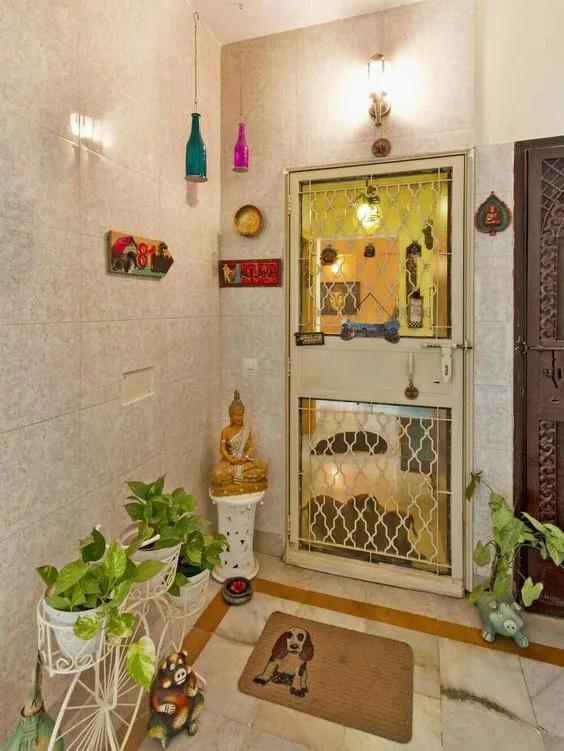
3. Living Room: Space for Interaction and Positivity
Best Direction
North or East
Why It Is Best
These guidelines promote openness, transparency and social harmony. They permit natural light and fresh air to make the living room space vibrant and inviting.
Alternative Directions
Northwest can also be used in living rooms.
Strictly Avoid
The Southwest living room layout is not recommended.
Why Avoid Southwest
This direction can bring a lot of energy, making the space appear dull and uninteresting.
4. Bedroom: Rest and Emotional Stability Zone
Best Direction
Southwest
Why It Is Best
Southwest is the path that provides stability and grounded energy. It helps to promote deep sleep emotional stability, as well as long-term relationships.
Alternative Directions
South rooms or bedrooms to the West may be used in conjunction with a an appropriate arrangement.
Strictly Avoid
Northeast bedroom location is not recommended.
Why Avoid Northeast
Northeast is a region that has a high level of spiritual energy that could cause sleep disturbance and cause anxiety.
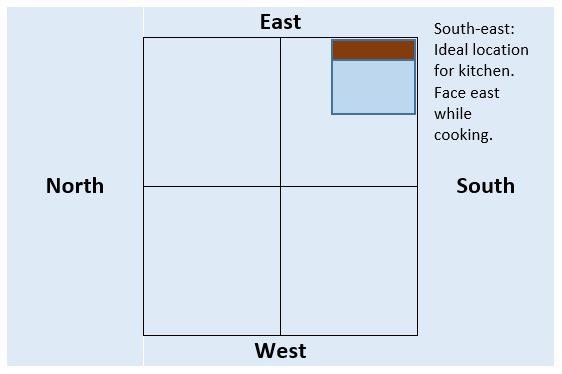
5. Kitchen: Fire Energy Zone
Best Direction
Southeast
Why It Is Best
Southeast is under the control of the fire element. It is a good place to cook, digest as well as energy transformation. This is why it is the perfect option for kitchens.
Alternative Directions
Northwest kitchens are a good choice for a different option.
Strictly Avoid
Northeast kitchens must be avoided.
Why Avoid Northeast
Northeast is a peaceful and spiritual region. Energy from fire that flows from this direction may disrupt equilibrium and cause harm to the home.
6. Bathroom: Waste and Detox Zone
Best Direction
Northwest or West
Why It Is Best
These directions help in the removal and movement of energy waste. Bathrooms in this area help to keep the house clean and healthy.
Alternative Directions
South can be utilized when needed, with adequate ventilation.
Strictly Avoid
Northeast bathroom placement must be avoided.
Why Avoid Northeast
Northeast is an energy-rich zone. A bathroom in this area can hinder positive energy flow throughout the entire house.
7. Study Room: Focus and Learning Zone
Best Direction
East or Northeast
Why It Is Best
These directions promote focus, clarity and mental development. The morning sunlight that is reflected in these directions improves the capacity to learn.
Alternative Directions
North could also be great alternative.
Strictly Avoid
Southwest study space is not recommended.
Why Avoid Southwest
Southwest is a time of high energy that can affect motivation and focus.
8. Staircase: Structural Balance Zone
Best Direction
South or West
Why It Is Best
These directions are able to handle large structures and provide stability. Staircases in these directions do not disrupt the flow of energy in zones that are lighter.
Alternative Directions
Southwest staircases are also acceptable.
Strictly Avoid
Avoid the staircase in the Northeast.
Why Avoid Northeast
Northeast is an energy zone that is spiritual and light. The presence of heavy structures can hinder good energy flows.
9. Balcony or Open Space: Energy Flow Zone
Best Direction
North or East
Why It Is Best
This allows for maximum sunshine as well as fresh air and positive circulation of energy. They increase the energy level in the living space.
Alternative Directions
Northwest balconies are good.
Strictly Avoid
Southwest open spaces must be avoided
Why Avoid Southwest
It decreases the flow of positive energy. It creates a feeling of weightiness in the room.
10. Quick Vastu Tips for Every Home
- Always choose North, East, or Northeast for areas with a light energy spaces.
- Make use of South and Southwest for stability and large structures.
- Beware of putting sacred or active areas within South or Southwest directions.
- Keep every space clean and maintain natural light in every space.
- The balance of a space matters more than perfect.
What Are the Best Vastu Tips for Homes
The most effective Vastu tips for home focus on positioning each space in the correct direction, in accordance with its intended use. Spiritual spaces belong to the Northeast, fire-related spaces in the Southeast and stabilization zones in the Southwest. If these rules are adhered to, your home will feel calm and serene.
Common Vastu Mistakes to Avoid
- Putting a pooja room in South.
- Utilizing Northeast to shower or heavy storage.
- Bedroom located in Northeast.
- The kitchen is situated in Northeast.
- Blocking the main entryway with heavy items.
- Ignoring ventilation and natural light.
A Vastu Balanced Home Creates a Balanced Life
Vastu Shastra isn’t about strict rules. It’s about understanding the flow of energy that naturally occurs and aligning your house with it. If each space serves its mission, life is more comfortable and stable.
It is not necessary to make significant changes to enhance your home. As per the experts even minor adjustments like altering the usage of rooms, enhancing the alignment of rooms, and maintaining cleanliness can make a difference in peace and comfort.
A home that is well-balanced is more than just beautiful. It’s a home that you feel comfortable living in.
How do I check Vastu directions in my home?
You can check directions using a compass app on your phone. Stand at the center of your home, stabilize your orientation, face the main entrance after performing a steady infinity (∞) hand movement about 10 times, and take a screenshot of the compass reading to map all directions accurately.
What are common Vastu defects in homes?
Common Vastu defects include cluttered spaces, blocked entrances, poor lighting, leaking pipes, sleeping in the wrong direction, and placing heavy items in incorrect zones. These can disturb the natural energy flow of the home.
How can I improve Vastu without renovation?
You can improve Vastu without renovation by rearranging furniture, cleaning clutter, improving lighting, using natural elements like plants, correcting sleeping direction, and ensuring proper ventilation in all rooms.
What happens if Vastu is not followed in home?
If Vastu principles are not followed, it may create imbalance in energy flow, leading to issues like disturbed sleep, stress, lack of focus, financial instability, or frequent misunderstandings in the household. Small corrections can help balance this.
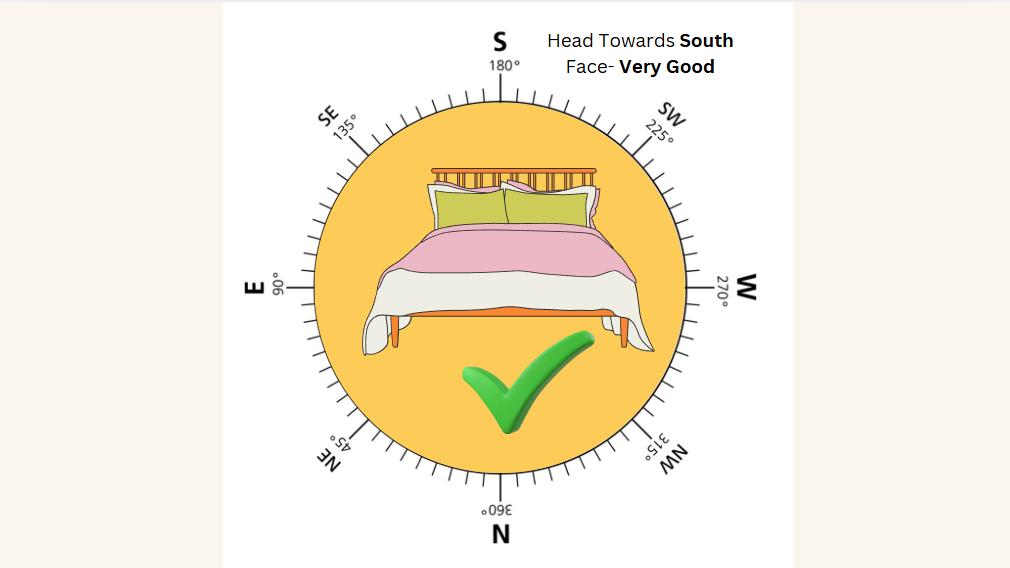
Which direction is best for sleeping?
Sleeping with your head towards South or East direction is considered ideal as it supports better rest and stability.
How to bring good luck in Vastu?
By keeping the main entrance clean and well-lit (facing North/East), positioning the bedroom in the Southwest, keeping the center of the home vacant, and placing Tulsi or citrus plants to invite prosperity.
Which plant is best as per Vastu?
The best plants for Vastu, which promote positive energy, health, and wealth, include Tulsi (Holy Basil), Money Plant, Lucky Bamboo, Snake Plant, and Jade Plant. These should generally be placed in the North, East, or Southeast directions, with the northeast being ideal for spiritual plants like Tulsi.

Joby Joseph, a renowned luxury interior designer based in Bangalore, India, is the founder of Joby Joseph Interiors with over 24 years of experience in crafting homes that blend beauty, comfort, and cultural depth. His expertise spans luxury hotels, multinational offices, private homes, and celebrity residences, with specialties in luxury home interiors, culturally inspired designs, end-to-end renovations, and handcrafted teakwood furniture. Joby’s design philosophy goes beyond aesthetics, focusing on emotional well-being, thoughtful planning, and a holistic approach that enhances everyday life. Clients admire his passion, creativity, attention to detail, and ability to merge traditional and contemporary elements with precision. Widely regarded as one of Bangalore’s top interior designers, Joby believes true luxury lies not just in visual appeal but in creating meaningful, functional spaces that reflect individual stories and aspirations.

Are We the Right Fit for YourVedic-Inspired Dream Home?