
Best House Designs in the World
The global housing standards have evolved quickly. The homeowners of today expect designs that are intelligent, climate responsibility and intelligent living systems within one building. The most beautiful houses that exist blend sustainability, architecture and the latest technology without sacrificing comfort. The year 2026 is when a good house isn’t just beautiful. It’s effective, futuristic and highly useful. We have collated Some of the best house designs in the world to get inspirations & ideas
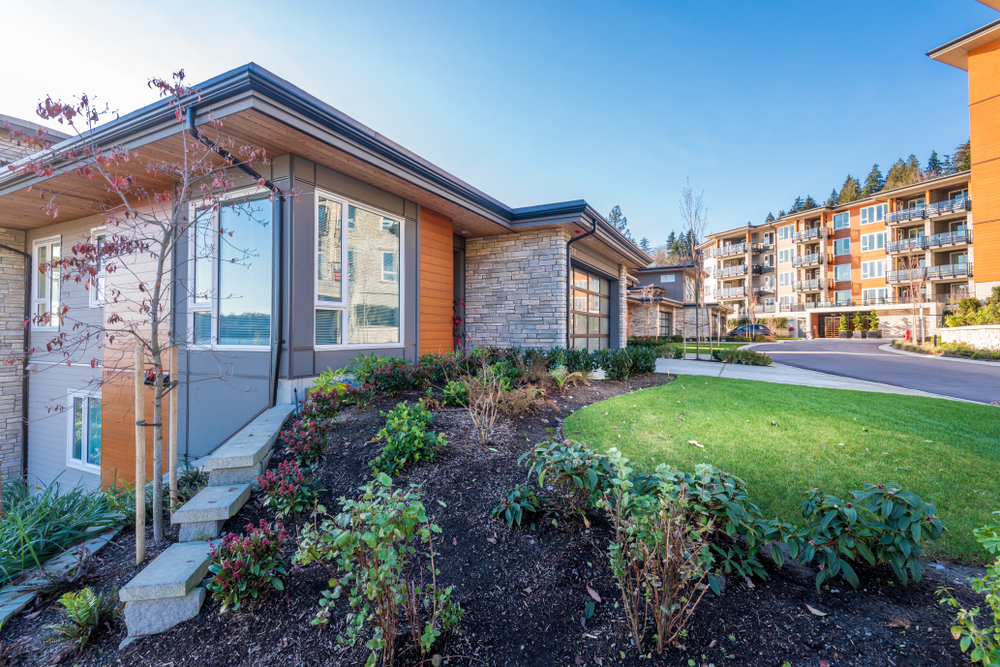
The finest luxurious home designs around the globe reflect the landscape, climate and the culture.
Where Glass, Light, and Structure Create Transparency
Glass architecture continues to dominate global design.
- Floor to ceiling glass
- Concrete or steel frameworks for structural support
- Strong connection to the landscape
- Ideal for temperate and woodland places
- Maximizes sunlight and visual openness
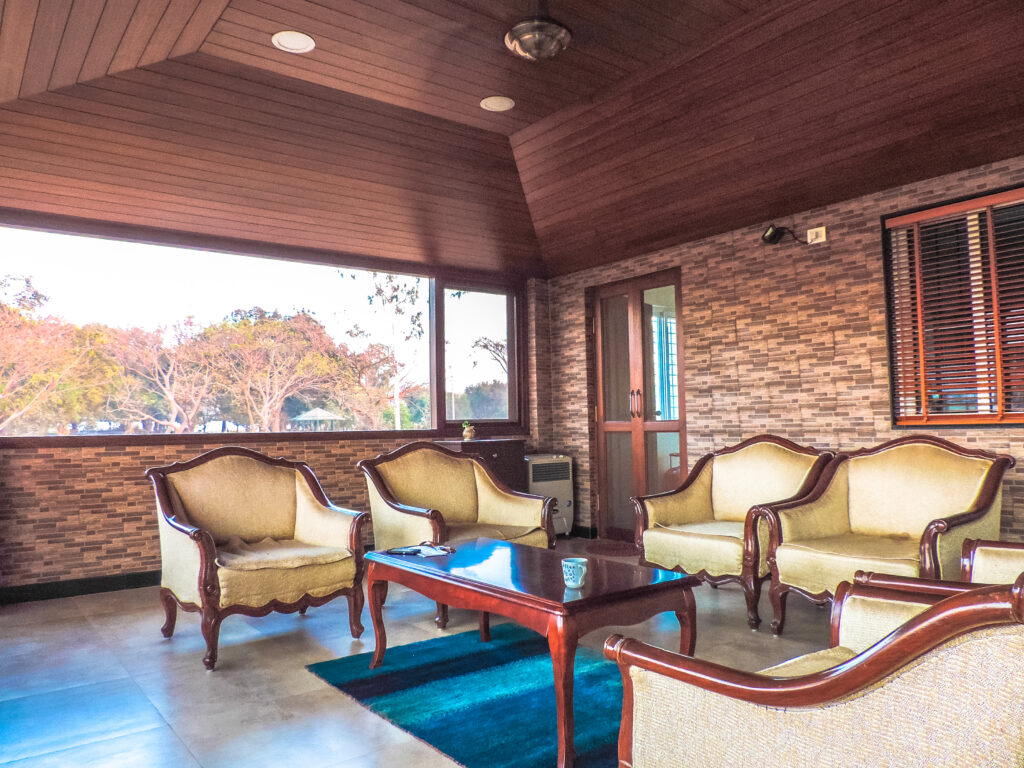
The Rise of Elegant Minimalist Villas
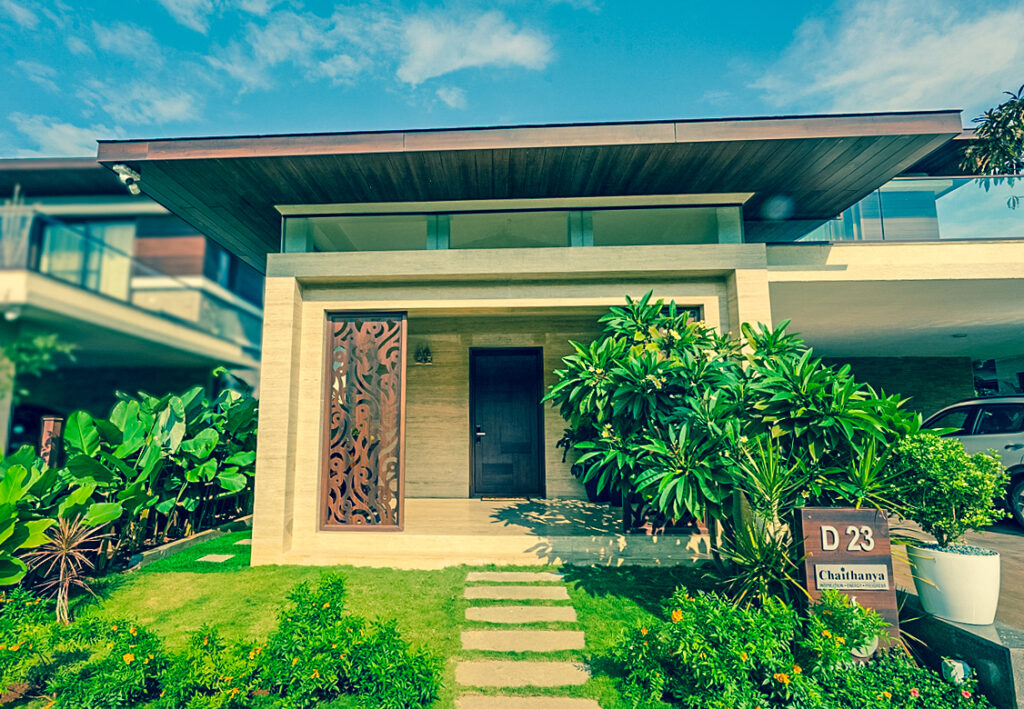
The best house designs in the world often embrace simplicity to enhance spatial quality.
- Clean surfaces and clean lines
- Open living spaces
- Secret storage systems
- Perfect for urban high-end plots
- Concentrate on space quality and not ornamentation

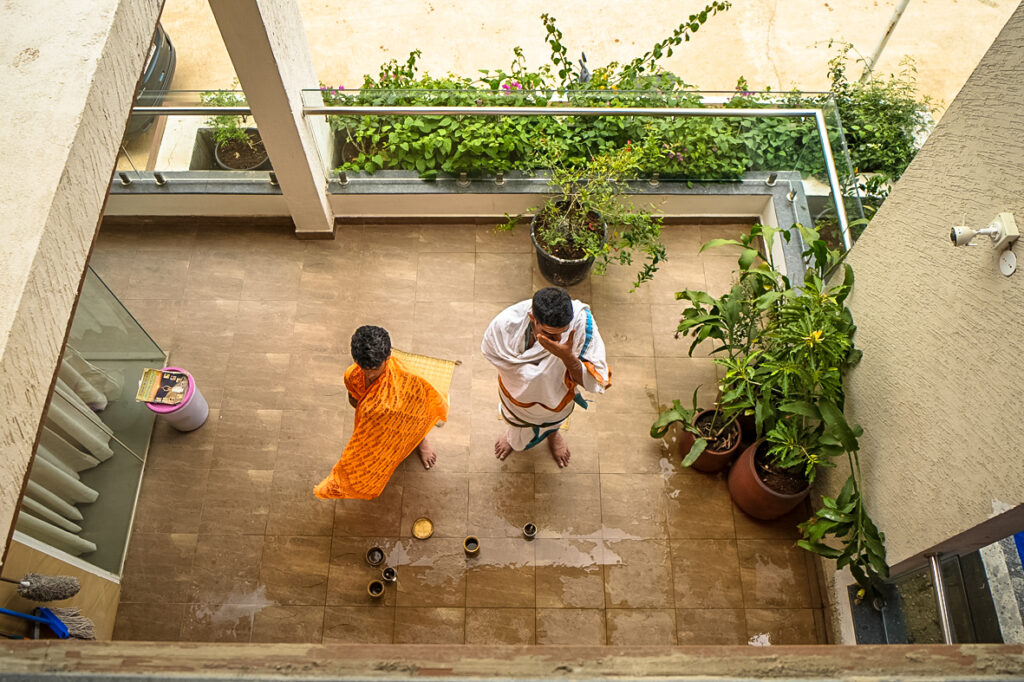
Nature Integrated Homes: Homes That Disappear Into Nature
Homes that merge with landforms are highly valued.
- The structure is built into cliffs, hills, or lush vegetation
- Green roofs and earth-sheltered walls with minimal visual impact on the surrounding
- It is ideal for mountain and coastal areas
- Reduces heat loss and improves insulation
According to professionals these designs lower heating and cooling demand while preserving surrounding ecosystems.

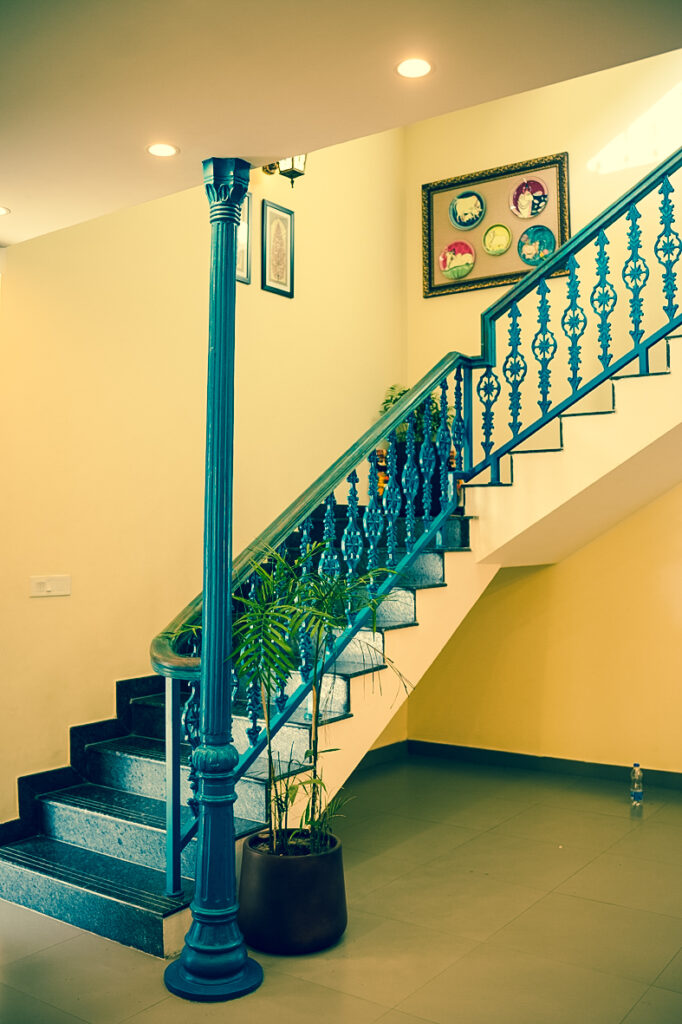
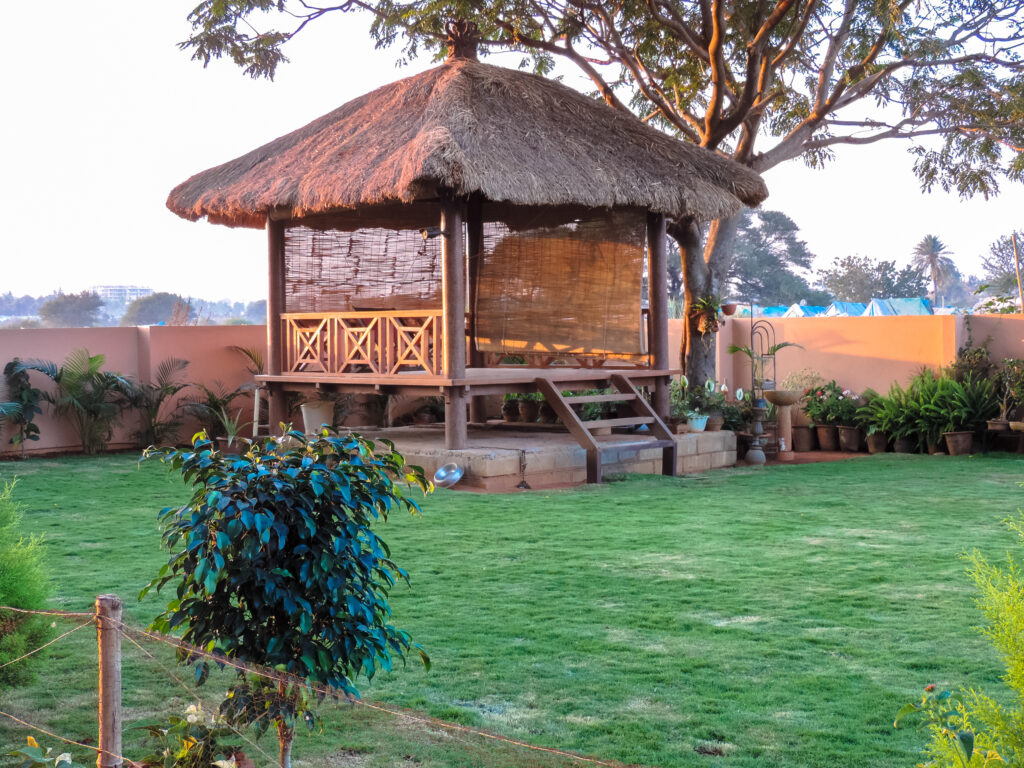
Tropical Courtyard Homes: Courtyard Living Designed for Climate Comfort
- Central spaces
- Cross-ventilation design
- Shaded verandas
- Perfect for humid and warm climates
- Natural cooling, without the need for air conditioning
What Defines the Best House Designs
The best house designs combine sustainability, technological advancements with climate logic, as well as the long-term value.
- Sustainable materials
- Utilization of engineered timber or rammed earth and steel
- Concrete with low carbon and locally-sourced stone
2. Climate-responsive architecture
- A directional system based on the sun’s direction and path
- Long overhangs and shaded glass to regulate heat
3. Smart automation systems
- Centralized home intelligence panels
- Monitoring of energy usage integrated with mobile control
4. Energy independence
- Solar power and the storage of batteries
- Reduction of dependence on grid power
5. Indoor outdoor integration
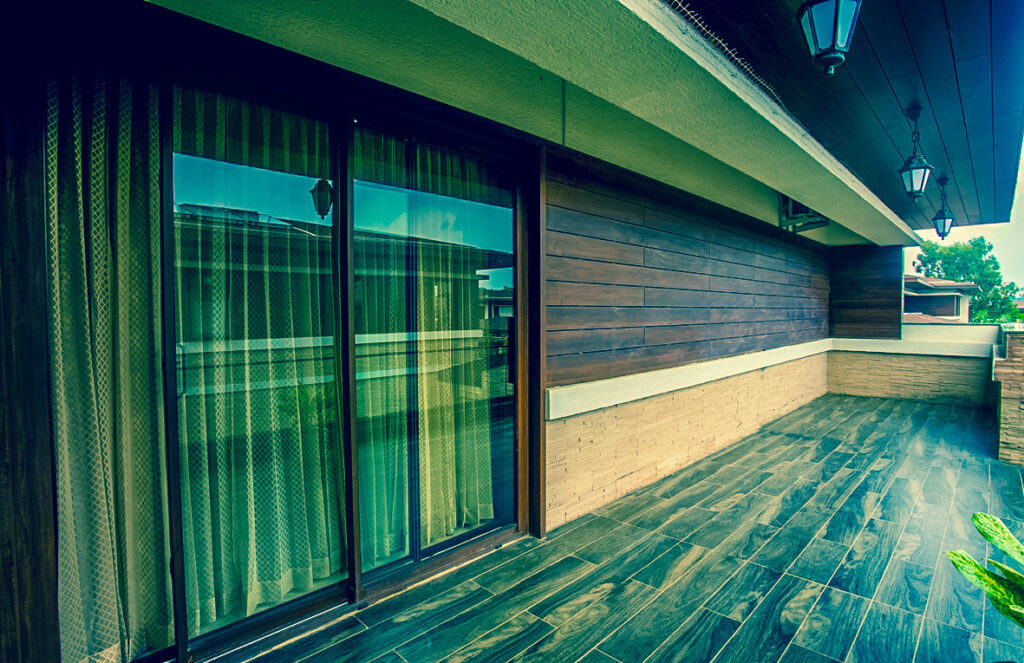
- Seamless sliding glass systems
- Courtyards, terraces, and garden extensions
6. Functional layouts that are minimal
- Floor plans that are open and have the concept of zoning
- Multi-use areas for wellness and work
The finest houses in the world do not have a definition based on the size or price. It is determined by their performance as well as adaptability and a responsible design mindset.
FAQ’s
Q1: If I want a “world‑class” home in Bangalore, should I copy an international design or create something local‑luxury?
For HNIs, it’s better to study global best designs and then adapt them to Bangalore’s climate, soil, and your lifestyle. The goal isn’t to remake a California glass box or Scandinavian villa, but to extract principles—light, material honesty, zoning, and flow—and fuse them with Indian context and luxury.
Q2: How do ultra‑luxury homes in Bangalore justify ₹3–5 crore+ in interiors and finishes?
At that level, the premium isn’t just about marble or Italian kitchens; it’s about bespoke spatial planning, hidden systems (smart home, concealed storage, acoustics), and curated material stories. The value is in how the house feels to live in, not just how it looks in photos.
Q3: Are fully glass‑heavy “Instagram villas” in Bangalore actually practical for daily life and privacy?
They can be, but only if designed intelligently. For Bangalore HNIs, that means strategic glazing, layered privacy (landscaping, screens, intelligent curtain systems), and climate‑smart glass. Without that, you get heat, glare, and compromising exposure—style without substance.
Q4: How important is architectural planning versus interior design for a world‑class home in Bangalore?
A: For ultra‑luxury homes, architecture drives 70–80% of the experience—how light enters, how rooms flow, how the house sits on the plot. Interiors then elevate that base. If the layout is wrong, even the most expensive furniture can’t fix it. Architecture defines the “bones”; interiors refine the soul.
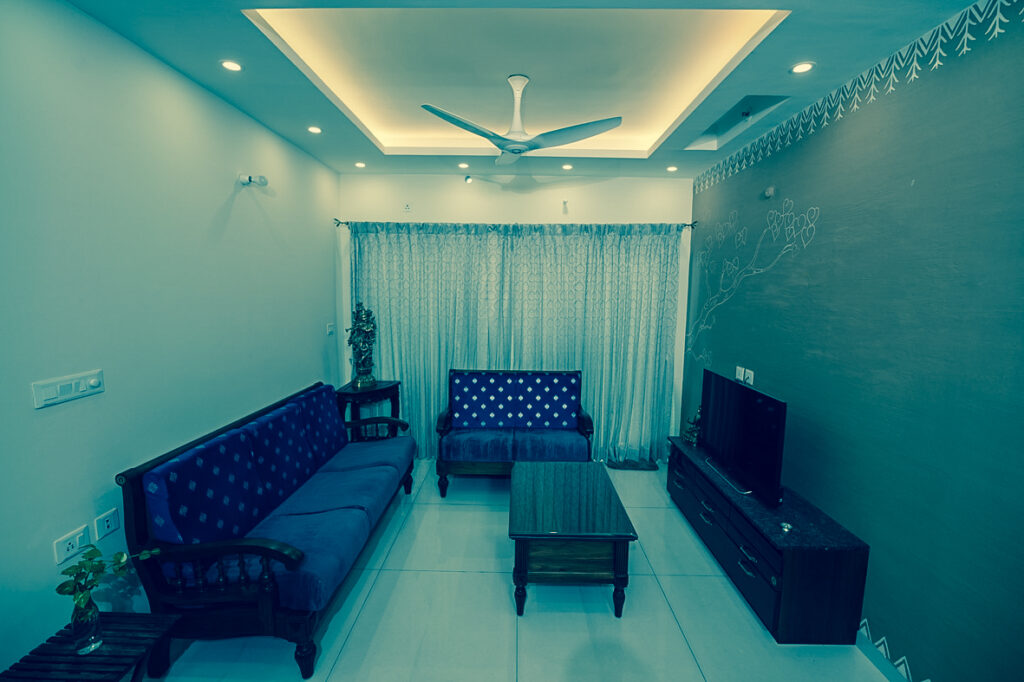
Q5: Can I blend traditional Indian elements (pooja, woodwork, jali, heritage stone) into a modern, global‑style home without making it look “over‑themed”?
Yes—if you treat them as sculptural, intentional moments, not decorative wallpaper. Think a single, powerful pooja courtyard, a statement jali wall, or a heritage‑stone feature in a predominantly minimalist palette. The trick is restraint and context, not quantity.

Joby Joseph, a renowned luxury interior designer based in Bangalore, India, is the founder of Joby Joseph Interiors with over 24 years of experience in crafting homes that blend beauty, comfort, and cultural depth. His expertise spans luxury hotels, multinational offices, private homes, and celebrity residences, with specialties in luxury home interiors, culturally inspired designs, end-to-end renovations, and handcrafted teakwood furniture. Joby’s design philosophy goes beyond aesthetics, focusing on emotional well-being, thoughtful planning, and a holistic approach that enhances everyday life. Clients admire his passion, creativity, attention to detail, and ability to merge traditional and contemporary elements with precision. Widely regarded as one of Bangalore’s top interior designers, Joby believes true luxury lies not just in visual appeal but in creating meaningful, functional spaces that reflect individual stories and aspirations.

Are We the Right Fit for YourVedic-Inspired Dream Home?