Luxury Bungalow Interior Design: The Complete Guide 2026
A Comprehensive Blueprint for High-End Horizontal Living
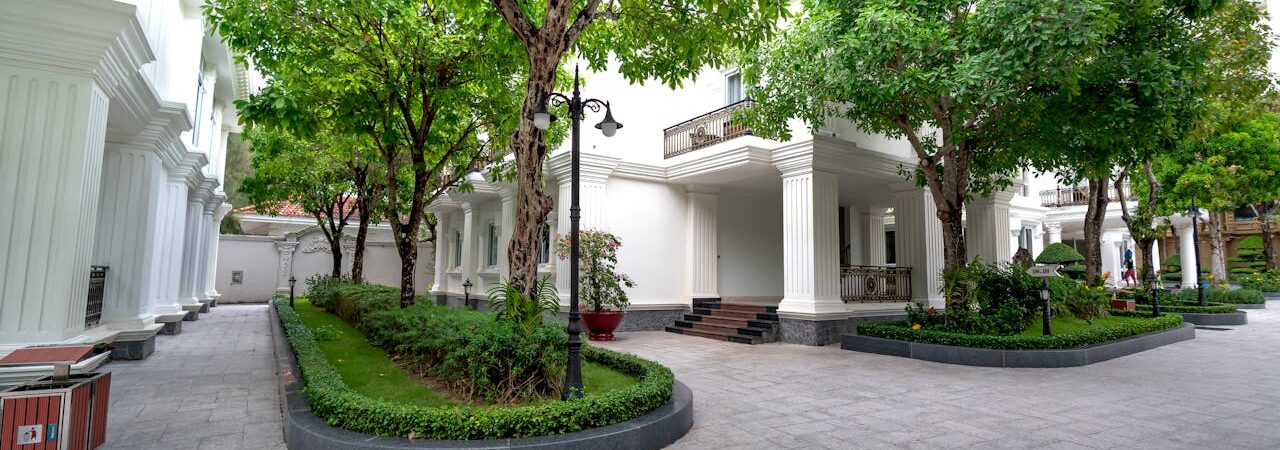
Bungalows offer a unique, expansive design canvas compared to modern luxury apartments. Free from the structural and vertical limitations of high-rise buildings, the standalone bungalow format allows for absolute creative freedom across a broad footprint.
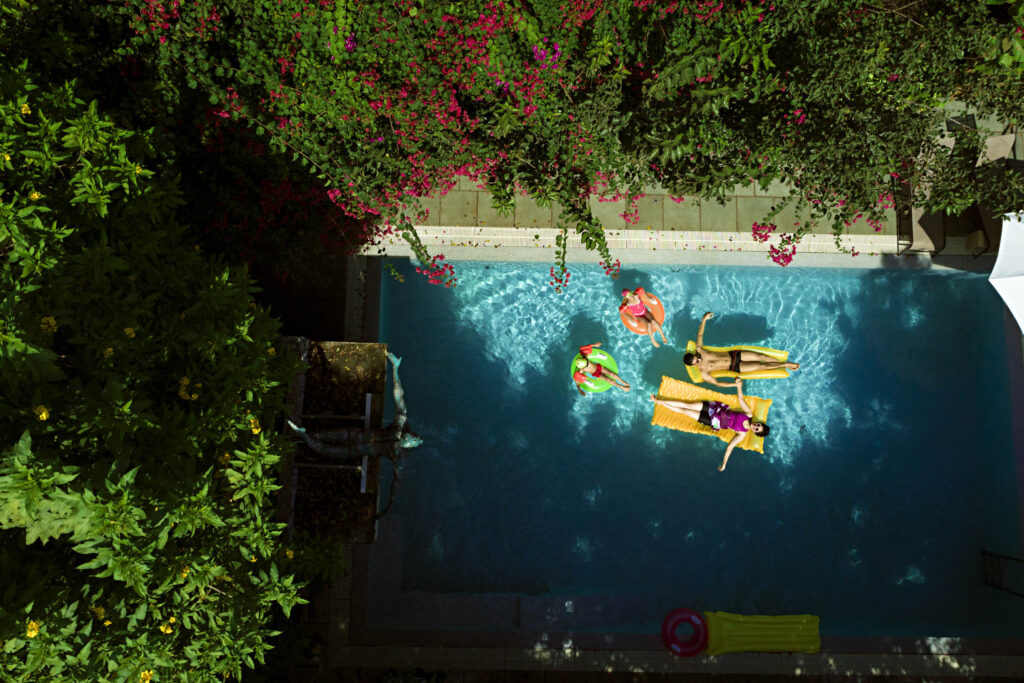
In 2026, high-end residential architecture has shifted decisively away from overt, ostentatious displays of wealth. Instead, the focus is entirely on quiet luxury and wellness-driven environments—spaces designed to support physical and mental longevity. What truly separates bungalow interiors from alternative formats is this direct control over volume, daylighting, and spatial sequencing, allowing designers to orchestrate an unbroken relationship between private indoor sanctuaries and the external natural environment.
Why Bungalow Interior Design is Different from Apartments?
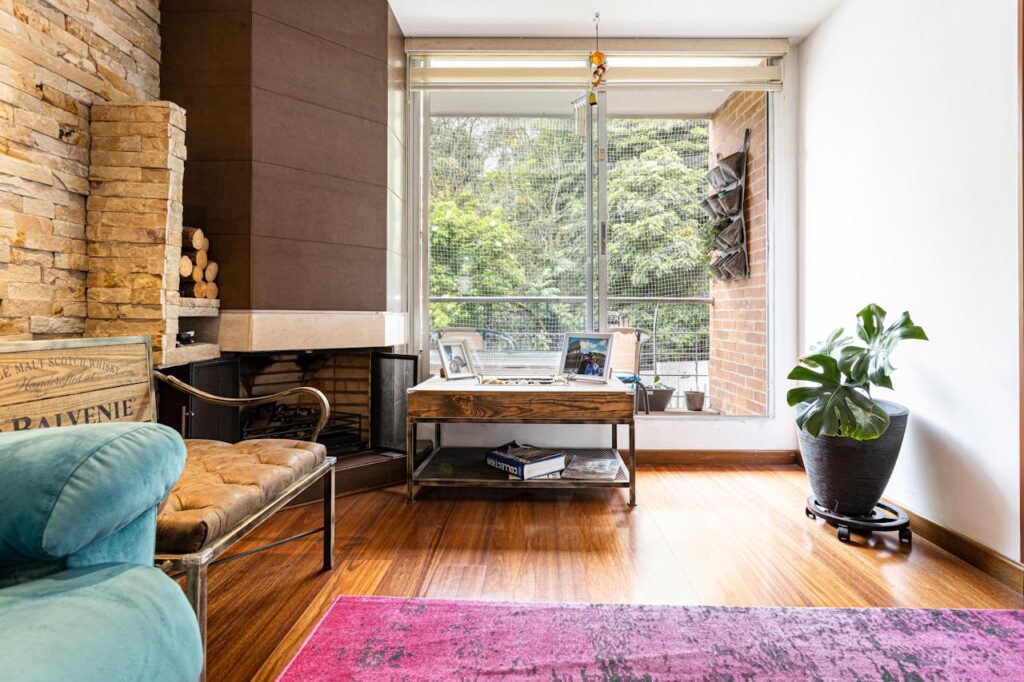
Designing a standalone bungalow requires an entirely different methodology than planning a luxury apartment. The structural autonomy introduces structural advantages and environmental responsibilities unique to horizontal estates:
- Horizontal Layout Advantages: Without structural fire towers, shared plumbing stacks, or load-bearing columns dictated by neighboring units, bungalows support flexible open layouts, expansive spans, customized sightlines, and varied ceiling heights within a single property.
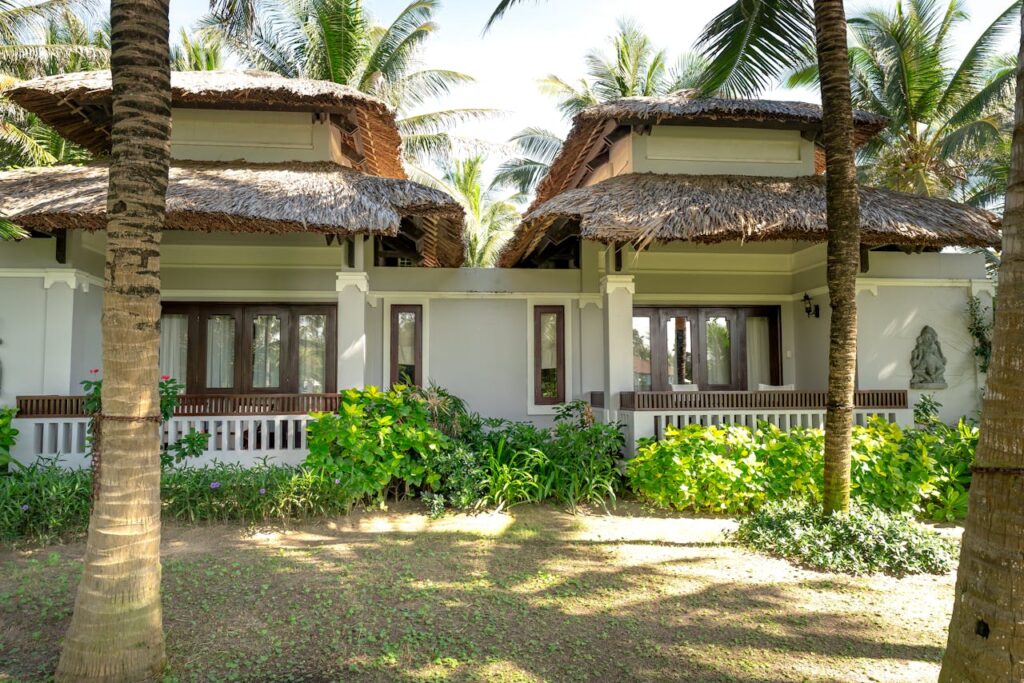
- Indoor-Outdoor Connection: Bungalows occupy a distinct ground-plane or multi-level plot. This positions every room to interface directly with private landscapes, perimeter gardens, and internal courtyards rather than looking out at urban density.
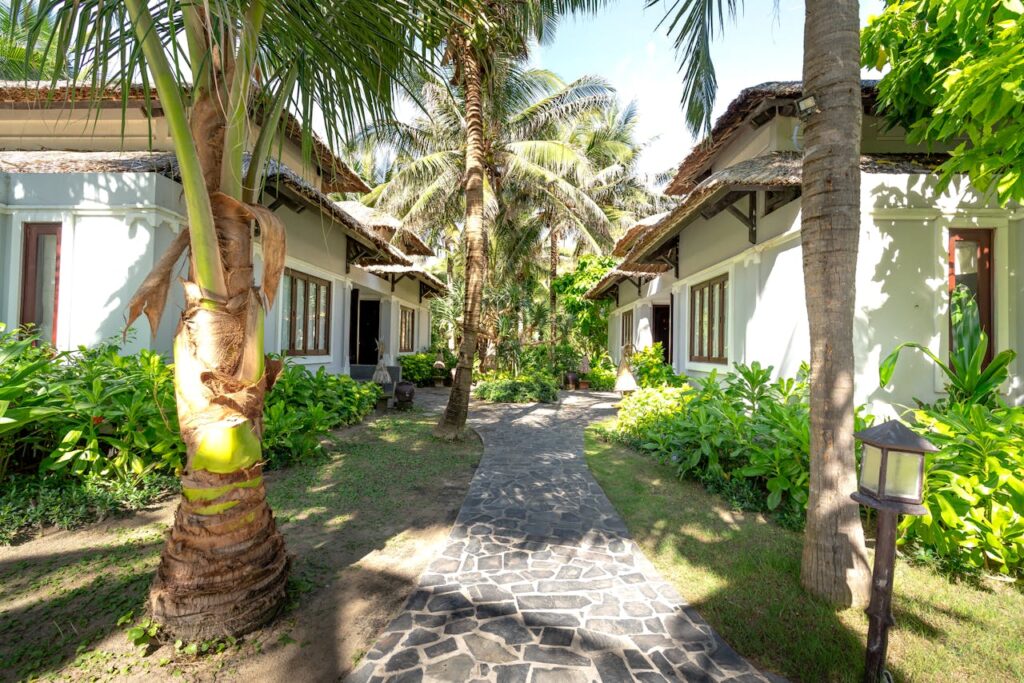
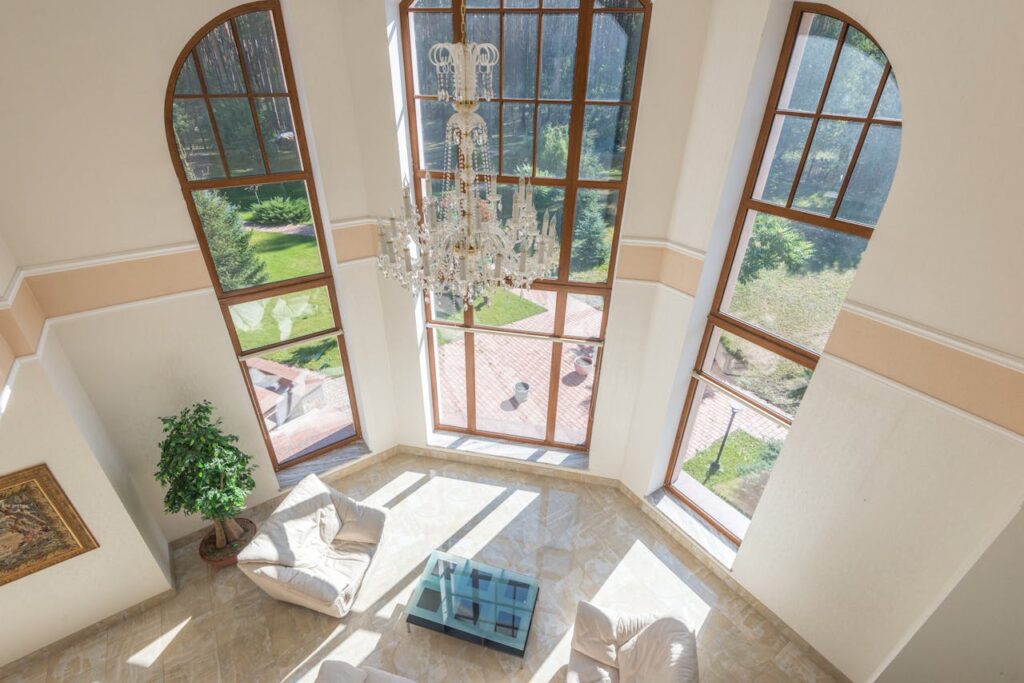
- Open Spaces and Greenery Opportunities: Standalone structures allow the integration of extensive horizontal openings, floor-to-ceiling glass systems, skylights, and double-height volumes that maximize natural ventilation and introduce continuous biophilic elements deep into the floor plate.
2026 Luxury Bungalow Design Trends You Need to Know
The premium residential sector in 2026 demands highly tailored, deeply atmospheric interiors that value character, sustainability, and personal well-being over standardized formulas:
Quiet Luxury: This movement prioritizes high-quality, sustainably sourced natural materials over flashy
finishes. Spaces use rich tactile textures, warm neutral palettes (bone, taupe, soft sand), and custom architectural millwork to establish sophistication.
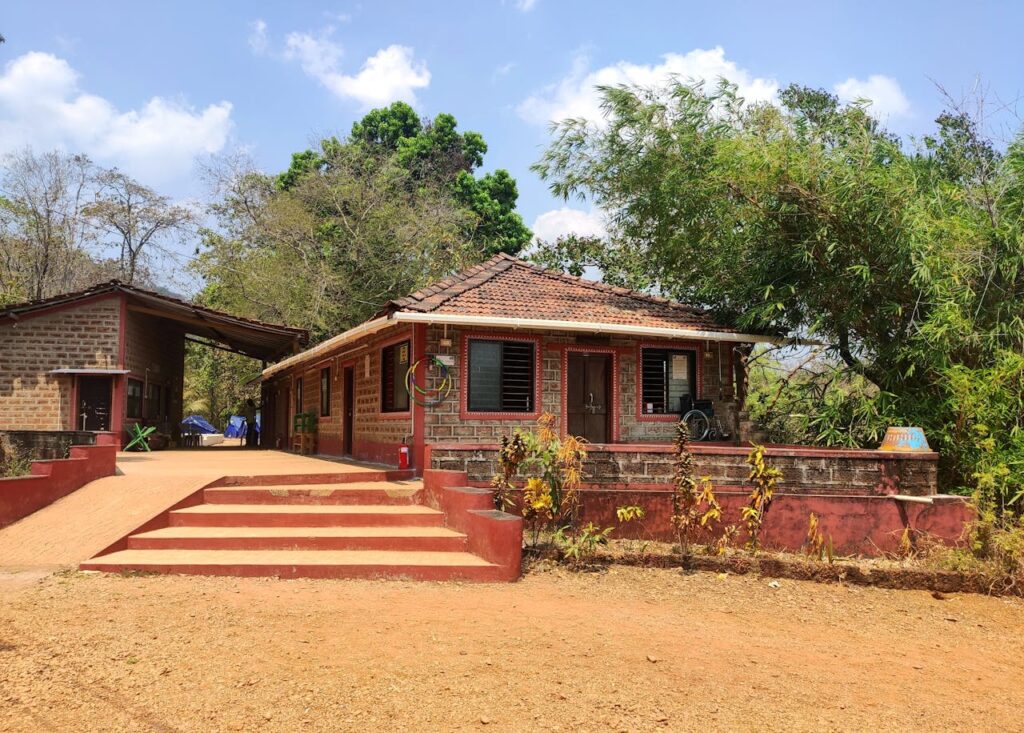
Grandma Chic / Heritage Revival: A deliberate counter-response to stark minimalism. This trend introduces curated historical elements—such as vintage European or regional Indian antiques, hand-woven textiles, patterned wallpapers, and classic paneling—giving the home a sense of multi-generational continuity.
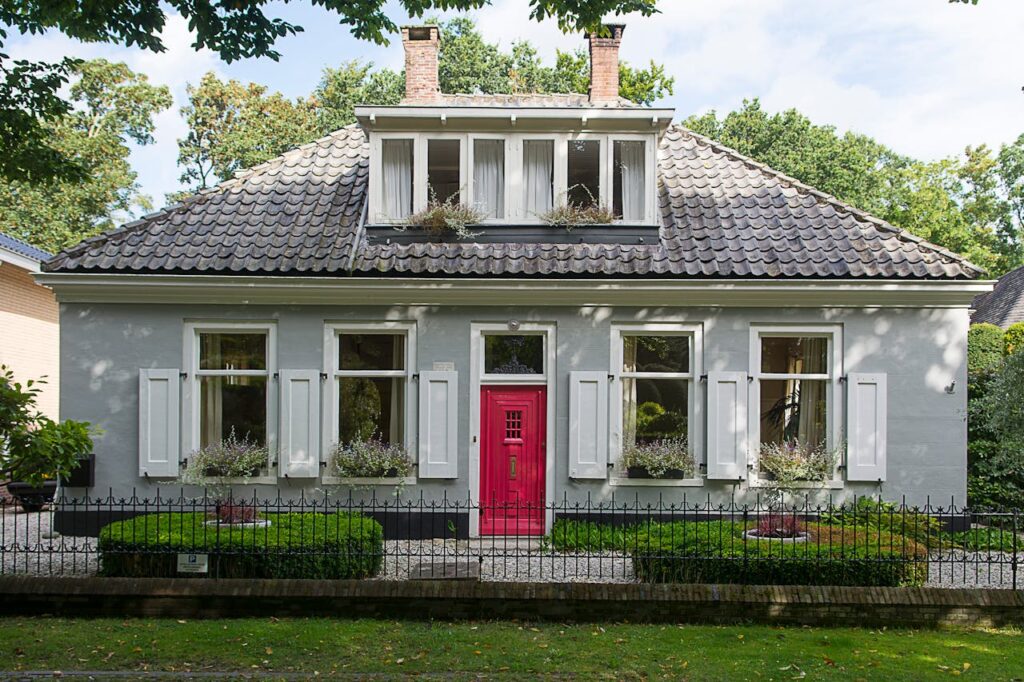
Darker, Moodier Color Palettes: While main living spaces remain open and bright, private rooms like dens, libraries, and primary suites use deep tones—such as forest green, charcoal slate, espresso, and deep burgundy—to create intimate, protective environments.
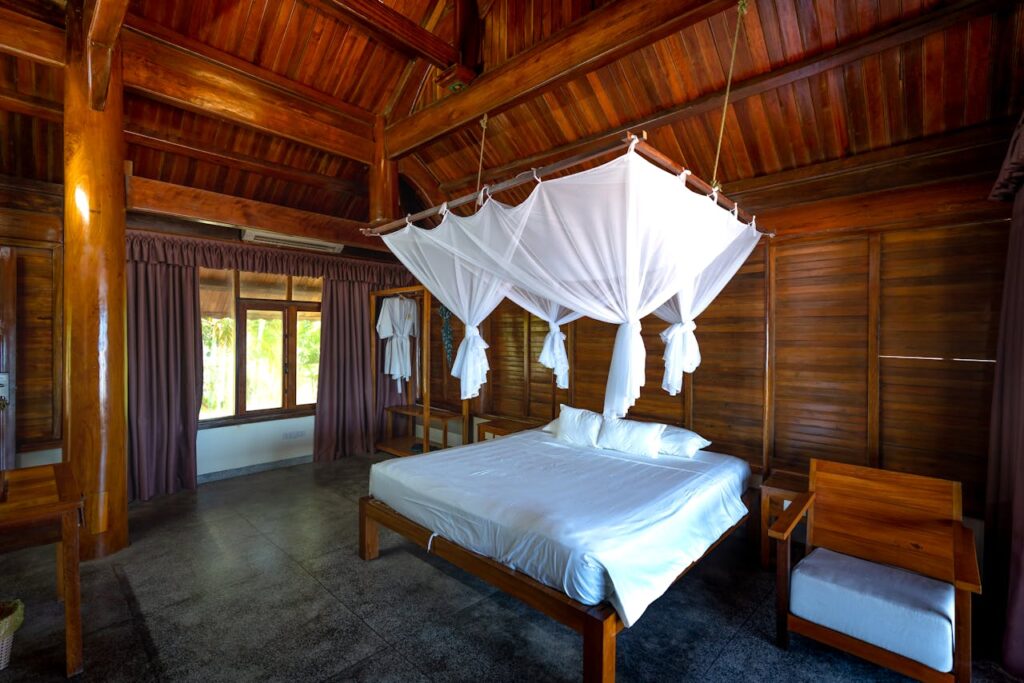
Wellness-Focused Design: Interiors are engineered around human biology. This includes whole-house water purification, circadian lighting automation, non-toxic building materials, embedded indoor biophilic zones, and dedicated thermal/sound insulation.

10 Must-Have Features in Luxury Bungalow Interiors
- Premium Finishes: Continuous large-format Italian marble, solid oak flooring, and natural stone slabs with book-matched veining.
- Bespoke Architectural Millwork: Floor-to-ceiling cabinetry, hidden doors, and fluted wall paneling tailored exactly to the property’s geometry.
- Custom Statement Furniture: Handcrafted, low-profile furniture pieces utilizing premium fabrics like linen, bouclé, and full-grain aniline leather.
- Advanced Smart Automation: Invisible, centralized control systems managing lighting, climate, security, and motorized shading.
- Integrated Indoor Biophilia: Internal glass-enclosed open-sky courtyards, moss walls, or structural indoor planters with automated irrigation.
- High-End Architectural Lighting: Trimless, deep-regressed LED fixtures paired with artisan-blown glass chandeliers.
- Artisanal Metal Accents: Solid brass, bronze, or blackened steel structural details, hardware, and custom-fabricated screens.
- Curated Gallery Vestibules: Wide, dedicated circulation corridors designed with professional tracking light systems to display fine art.
- Discreet Secondary Spaces: Hidden pantries, separate back-of-house service kitchens, and dedicated staff quarters.
- Custom Acoustic Insulation: Specialized multi-layer acoustic dampening inside walls, floors, and ceilings to ensure complete privacy across zones.
Room-by-Room Luxury Design Guide
Living Room: Double-Height Ceilings & Statement Lighting
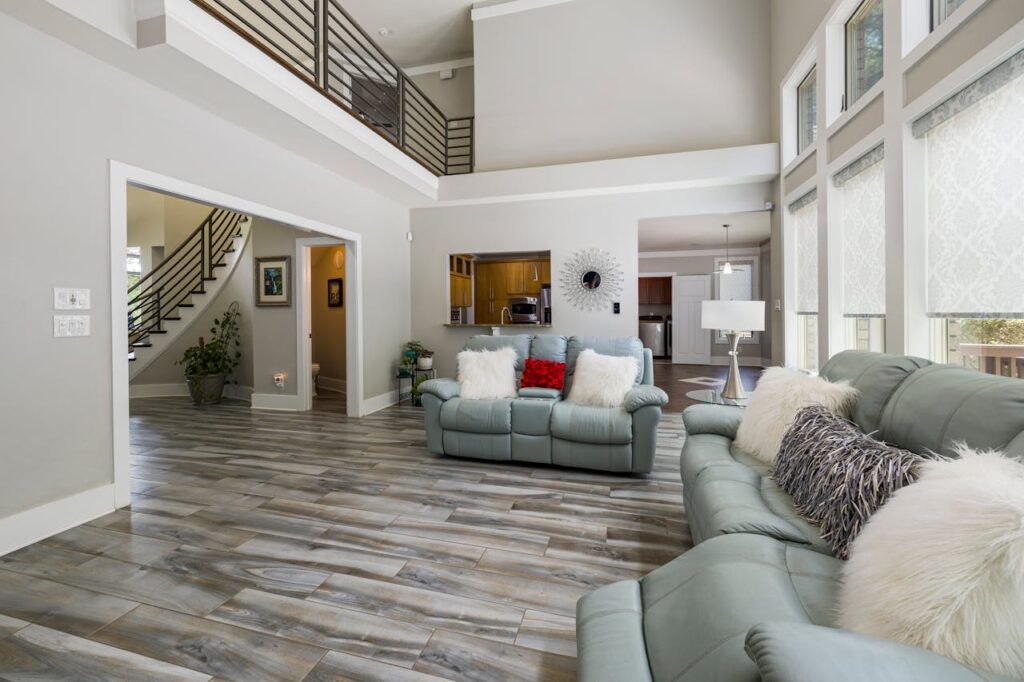
The primary formal living room serves as the structural centerpiece of the bungalow. Utilizing double-height ceilings creates a grand sense of scale. To ground the volume, implement full-height architectural feature walls constructed from natural stone or book-matched timber veneer panels. Pair these large volumes with oversized custom statement lighting installations—such as linear architectural pendants or multi-tier sculptural glass fixtures to define the primary seating group and anchor the eye.
Kitchen: Italian Marble & Functional Character
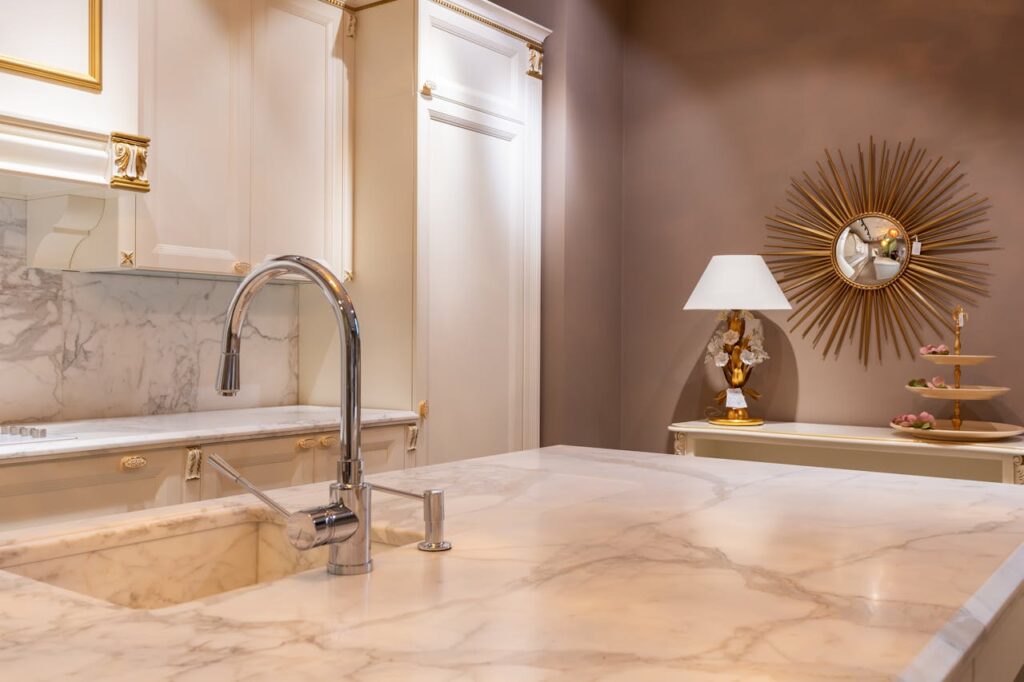
Modern luxury kitchens balance clean architectural lines with distinct character. Select durable, highly figured Italian marbles (like Calacatta Viola or Arabescato) for islands and perimeter backsplashes, treating the natural stone as functional art. Ensure absolute functional separation by implementing a dual-kitchen layout: a highly finished display or “show” kitchen transitioning into an open-plan dining area, backed by a fully enclosed, heavy- duty preparation kitchen designed for utility.
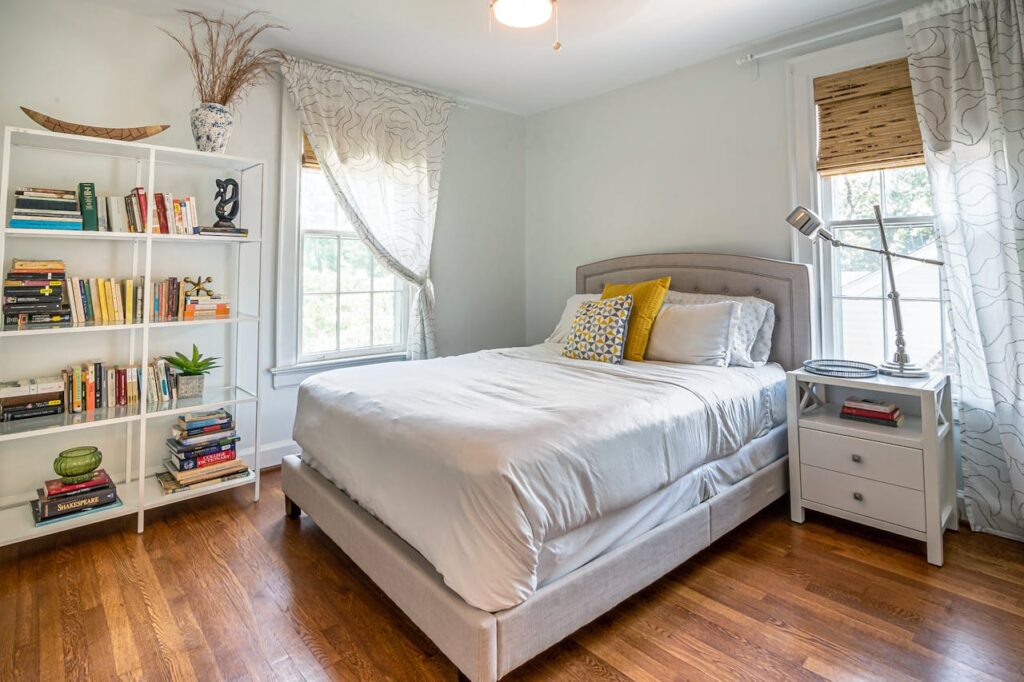
Bedrooms: Minimal Luxury & Reading Nooks
Primary suites should be treated as private, low-stimulus sanctuaries. Focus on minimal luxury: clean lines, built-in floating furniture, concealed storage, and upholstered headboard walls. Integrate an explicit architectural breakout zone, such as an ergonomic reading nook positioned adjacent to large fenestration, complete with a custom lounge chair, dedicated task lighting, and integrated book shelving.
Bathrooms: Spa-Inspired Wellness Features Transform primary bathrooms into dedicated thermal wellness spaces. Incorporate large-format natural stone slabs, freestanding solid-surface soaking tubs, and custom-built steam showers fitted with recessed rain-heads, body jets, and chromotherapy lighting. Ensure all functional equipment is integrated seamlessly with concealed linear drainage and floor-heating systems.
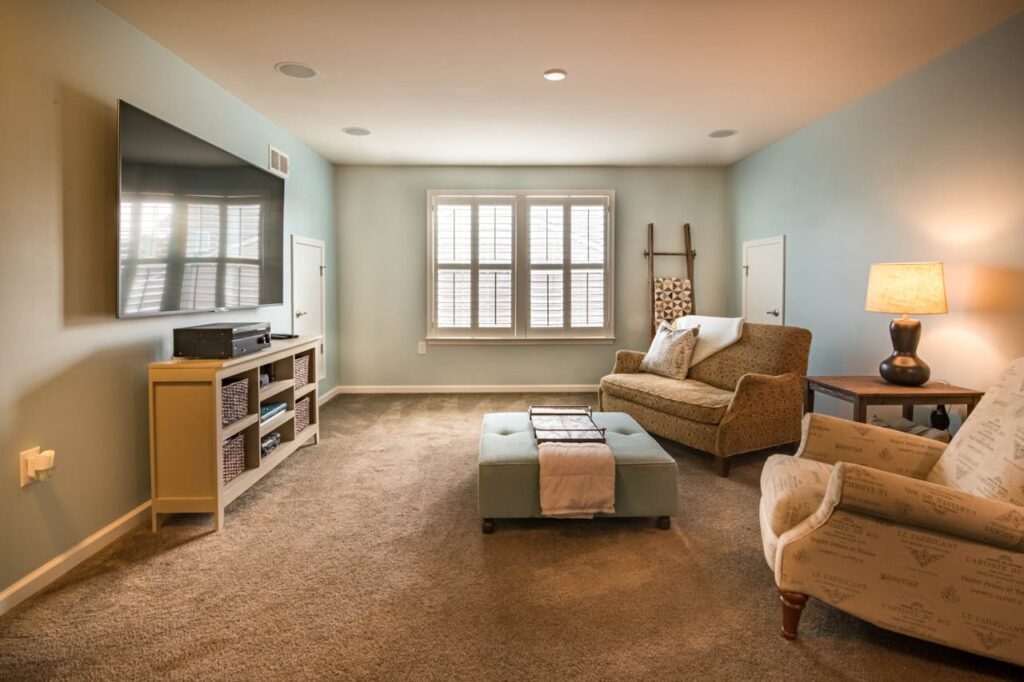
Home Theatre / Private Cinema
The entertainment suite requires specialized technical planning. Build a fully decoupled room structure to optimize acoustics, lining walls with custom fabric-wrapped acoustic panels, acoustic plaster, and dense drapery. Configure multi-tier custom leather recliner seating optimized for screen sightlines, and deploy a hidden 4K laser projection system alongside an immersive Dolby Atmos surround sound setup.
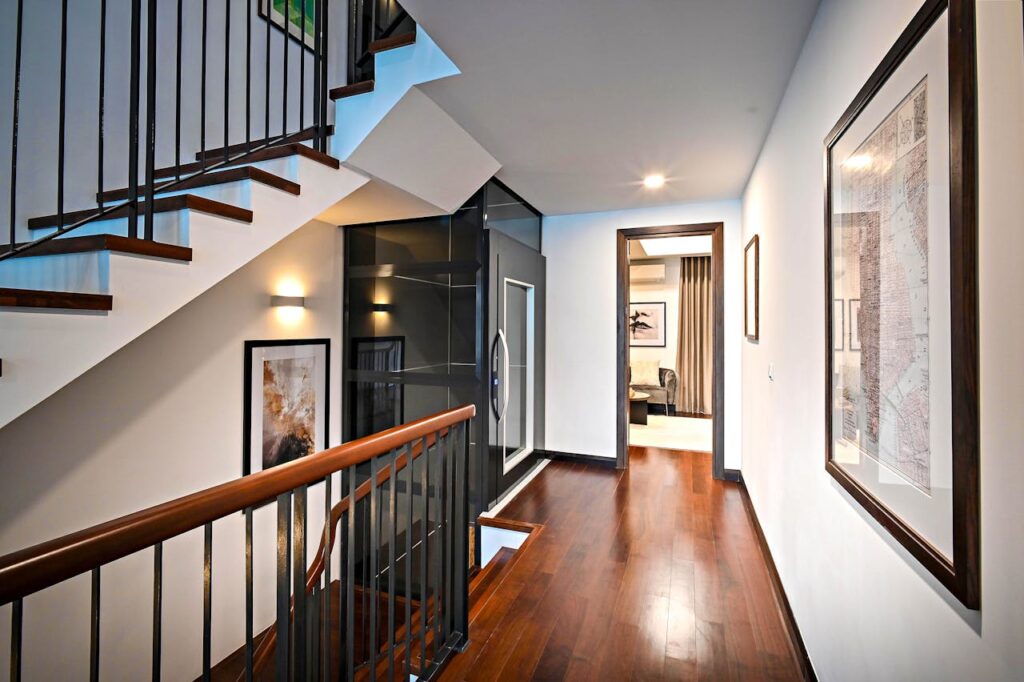
Corridors & Transitional Spaces
Avoid treats corridors as simple functional pathways. Treat wide transitional spaces as architectural experiences. Use rhythmically spaced wall sconces, integrated floor-level step lighting, recessed art niches, and varying ceiling details to create a compelling sense of transition between public and private wings of the estate.
How to Choose the Right Interior Designer for Your Bungalow
Executing an expansive bungalow interior requires an experienced team with an established professional process. Evaluate candidates using three primary criteria for luxury bungalow interior design:
5 Critical Questions to Ask :
- How do you coordinate structural, MEP (Mechanical, Electrical, Plumbing), and automation systems within your design process?
- Can you provide case studies of similarly sized horizontal luxury residential projects you have completed?
- What is your mechanism for handling supply chain challenges for imported materials or custom artisan commissions?
- How do you structure your site supervision and quality management during construction?
- What is your approach to integrating sustainable, non-toxic materials into the interior envelope?
Portfolio Checklist: Verify the designer’s portfolio shows detailed technical construction drawings, custom joinery details, diverse high-end material handling, and real, completed imagery rather than just digital 3D renderings.
Process Transparency: Ensure the firm utilizes clear, phased project milestones (Concept, Schematic, Detailed GFC Drawings, Procurement Tracking, and Site Supervision) backed by transparent line-item budget reporting.

Joby’s Interior Design process for designing the Bungalow
Common Bungalow Interior Design Mistakes to Avoid
- Poor Lighting Planning: Relying on generic, high-glare grid downlighting instead of designing a subtle, layered architectural lighting scheme.
- Ignoring Indoor-Outdoor Flow: Treating landscaping as an afterthought, resulting in disconnected interiors that fail to capitalize on the property’s open footprint.
- Overlooking Storage Needs: Designing beautiful primary spaces while failing to plan for functional utility rooms, storage closets, and service pathways.
- Not Considering Long-Term Maintenance: Specifying extremely delicate, porous, or non-UV-stable materials in areas exposed to heavy sunlight, moisture, or high traffic.
What are the prominent luxury bungalow interior design trends in 2026?
The focus is heavily on “quiet luxury”—understated palettes, sustainable natural stones, and bespoke tactile finishes—alongside wellness engineering, moody private spaces, and heritage-inspired traditional accents.
What elements truly make an interior space feel “luxurious”?
True luxury is found in custom spatial volume, flawless alignment and execution of premium raw materials, thoughtful lighting design, high acoustic privacy, and personalized, bespoke furniture commissions.
How should budget considerations be handled for a high-end bungalow?
Budgets should be allocated systematically, separating structural elements and fixed architectural finishes (stone,millwork, integrated automation) from loose furniture and decorative art pieces. Always maintain a 15% contingency fund.
What are the typical timeline expectations for design and handover?
A comprehensive luxury bungalow interior typically requires 8 to 14 months from the initial schematic design phase through technical execution, custom fabrication, and final white-glove hand-over.
How can modern luxury interior design accommodate Vastu compliance?
Vastu principles are integrated at the initial schematic spatial planning layout stage. This ensures element zoning,entry orientations, and kitchen/master bedroom placement align perfectly with structural requirements without compromising modern aesthetics.

Joby Joseph, a renowned luxury interior designer based in Bangalore, India, is the founder of Joby Joseph Interiors with over 24 years of experience in crafting homes that blend beauty, comfort, and cultural depth. His expertise spans luxury hotels, multinational offices, private homes, and celebrity residences, with specialties in luxury home interiors, culturally inspired designs, end-to-end renovations, and handcrafted teakwood furniture. Joby’s design philosophy goes beyond aesthetics, focusing on emotional well-being, thoughtful planning, and a holistic approach that enhances everyday life. Clients admire his passion, creativity, attention to detail, and ability to merge traditional and contemporary elements with precision. Widely regarded as one of Bangalore’s top interior designers, Joby believes true luxury lies not just in visual appeal but in creating meaningful, functional spaces that reflect individual stories and aspirations.

Are We the Right Fit for YourVedic-Inspired Dream Home?